Why is it celebrated on this date?
On 6 June 1523, Gustav Vasa was elected King of Sweden in Strängnäs – a moment that marked the end of the Kalmar Union and laid the foundations of modern Sweden.
The date also holds significance in more recent history. In 1809, a new constitution was adopted, establishing key civil rights and freedoms. Later, in 1974, Sweden’s current constitution came into force.
Unlike many countries, Sweden did not have an official national day until relatively recently. The date gained further recognition in 1916, when 6 June was officially named the Day of the Swedish Flag. It wasn’t until 1983 that it became Sweden’s National Day.
Where to celebrate Sweden’s National Day
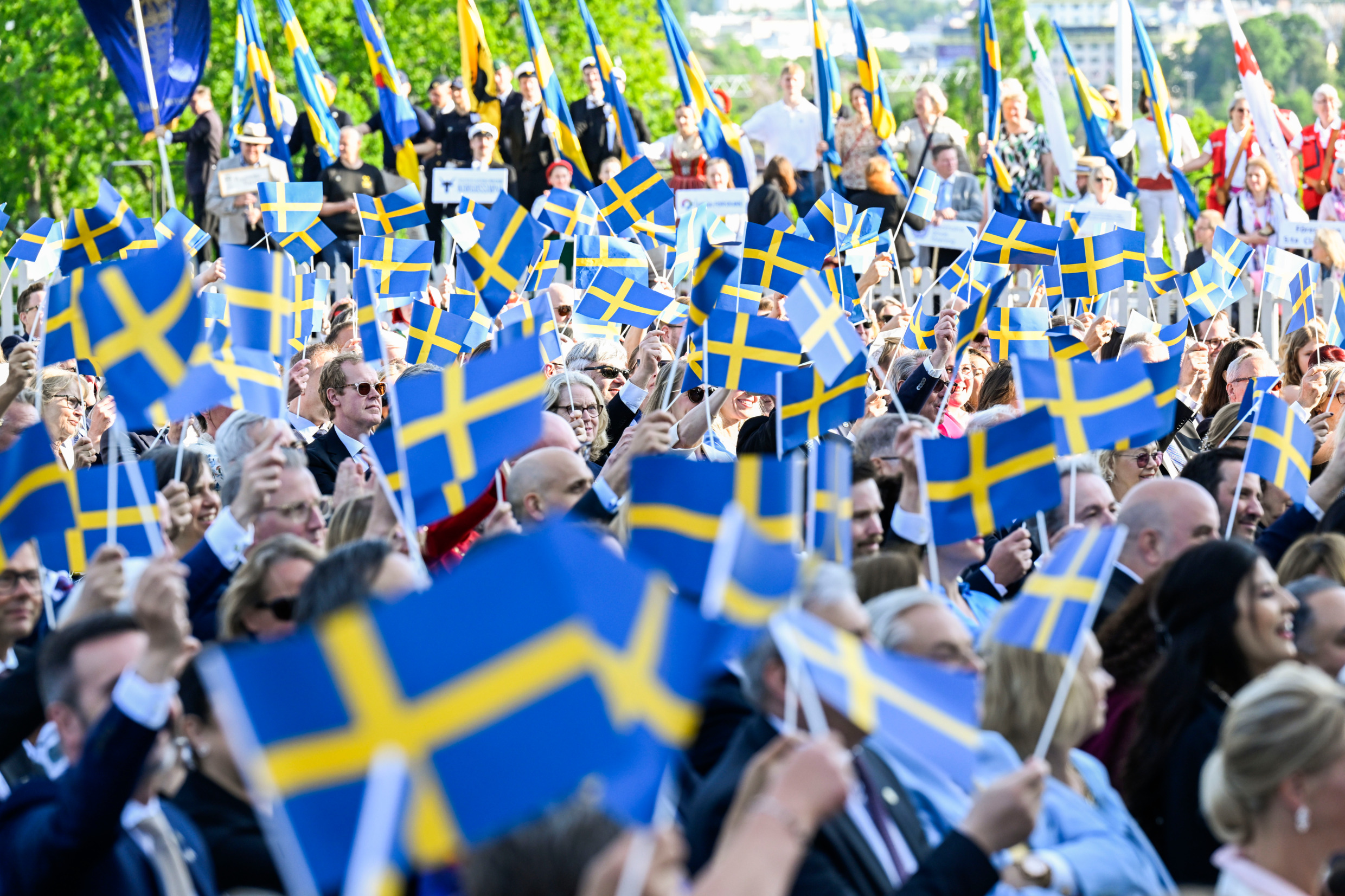
Today, 6 June is a public holiday (since 2005), celebrated across Sweden. From open-air concerts to traditional festivities and royal ceremonies, it’s a day marked by a sense of pride and togetherness.
In recent years, it has also become a meaningful occasion to welcome new Swedish citizens, with official ceremonies held in towns and cities throughout the country.
Looking to join the celebrations? Here are a few places where you can experience Sweden’s National Day:
Stockholm
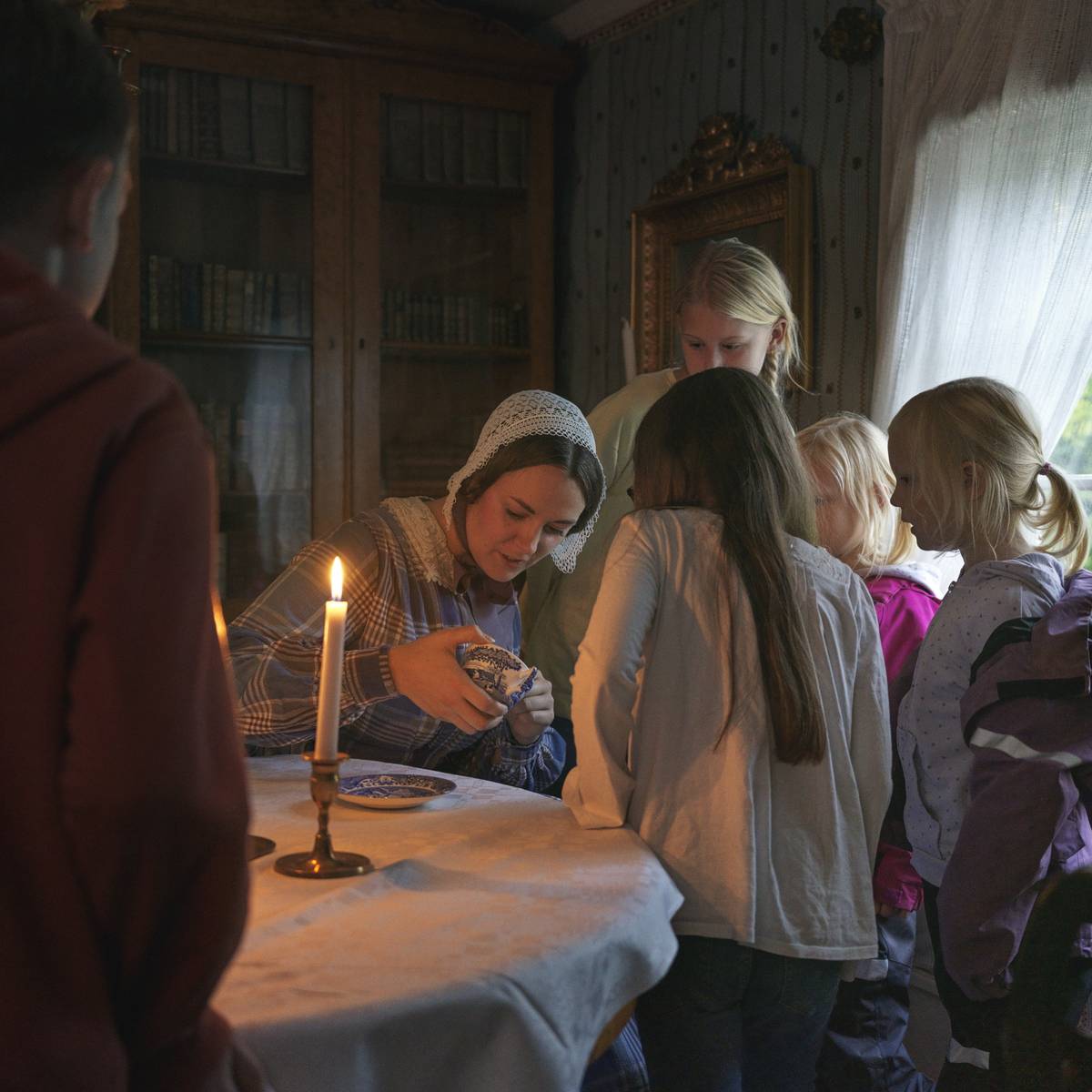
Skansen – This open-air museum on Djurgården hosts the official national day celebrations. Expect a full day of activities for all ages, followed by the annual concert and ceremony in the evening, where the royal family attend.
National Day Gallop – A free and popular event held in Gärdet, featuring horse races, performances and family-friendly activities throughout the day.
Gothenburg
Slottsskogen – Bring a picnic and enjoy an open-air concert with the Gothenburg Symphony Orchestra, conductor Tobias Ringborg and invited guests.
Malmö
Stortorget – The city’s main square hosts celebrations including speeches, a welcome ceremony for new citizens, live music and performances.