A different side of the Vikings
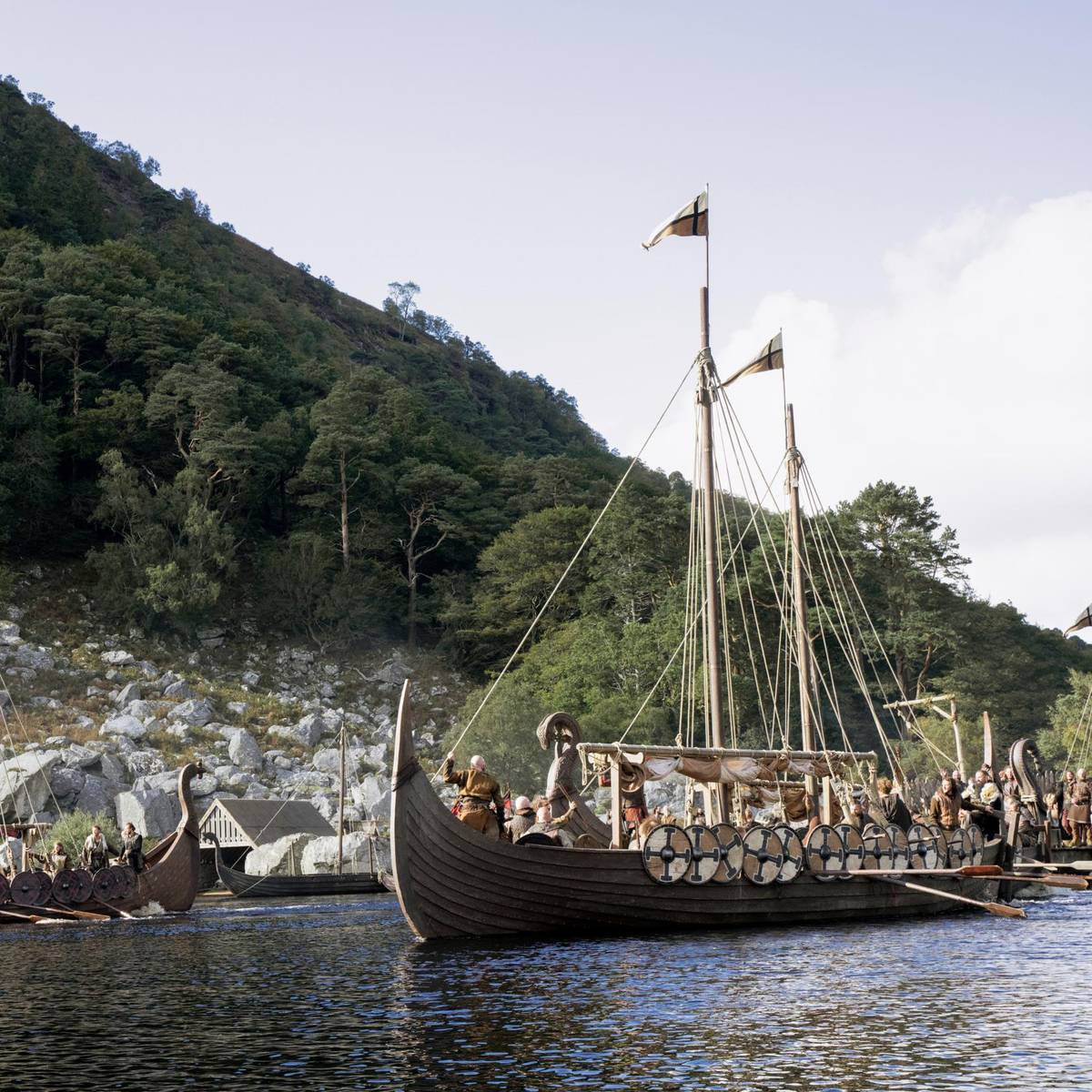
Vikings are often portrayed as wild and unkempt, but most led quiet lives as farmers, closely connected to nature. Cleanliness was an important part of everyday life. While bathing was infrequent in many parts of Europe at the time, Vikings were known to wash regularly – often once a week, typically on Saturdays.
Bathing was more than routine. It involved caring for hair and beards, using combs and simple tools, and alternating between warm and cold baths after time spent in early forms of saunas. These rituals were not only practical, but also social. According to some accounts, they made the Vikings surprisingly well-groomed by the standards of the time, attracting attention wherever they travelled.
From ancient rituals to a modern travel trend
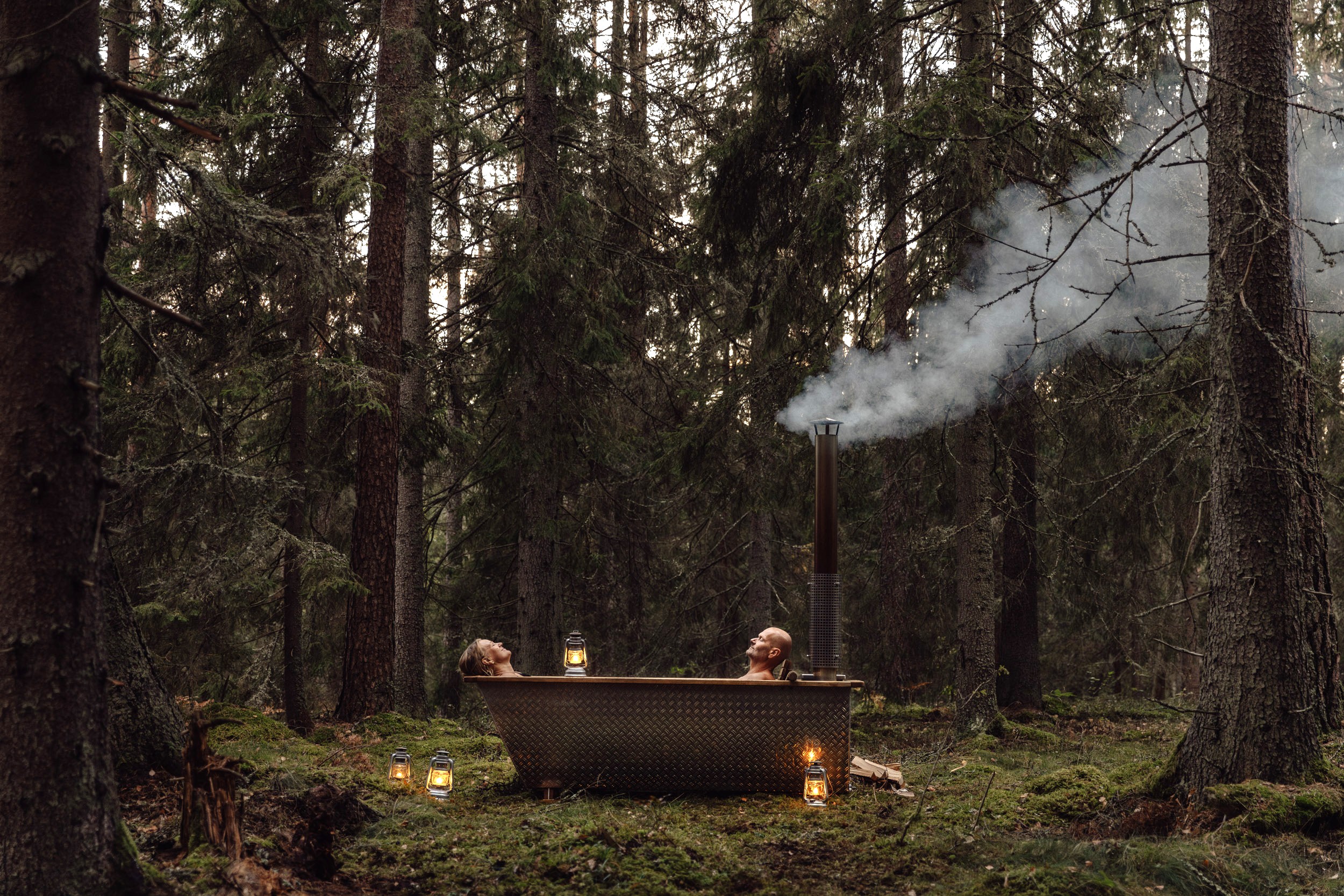
Today, these nature-based rituals are inspiring one of the most talked-about travel trends of 2026. Highlighted by Condé Nast Traveler and explored by the BBC, ‘Viking wellness’ centres on simple but powerful experiences rooted in the elements.
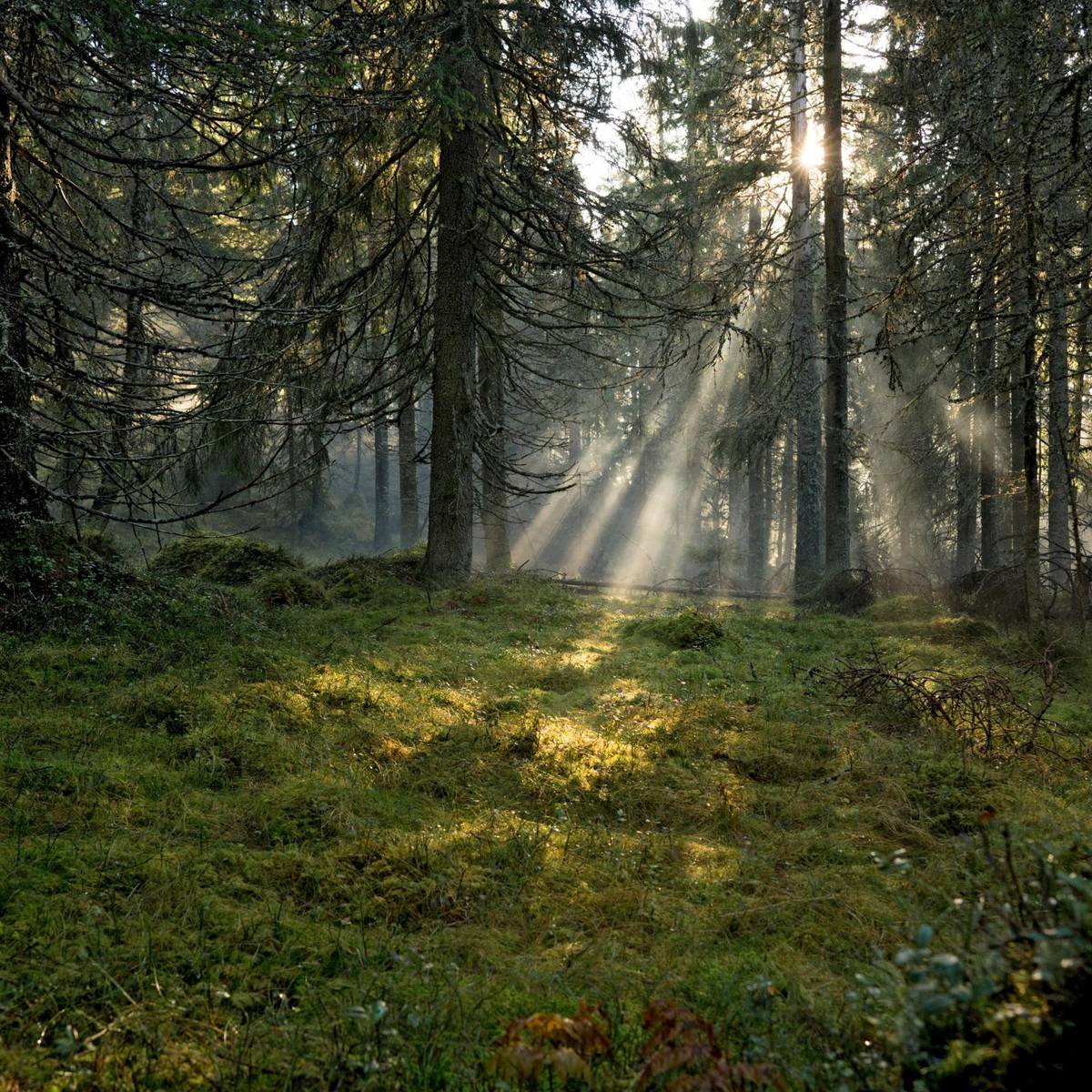
Think hot and cold therapy, forest bathing and meals cooked over open fires. In Viking times, a typical cleansing ritual might begin in a heated sweat lodge, followed by a cold plunge in a nearby lake or stream. This contrast between heat and cold remains at the heart of many Nordic wellness traditions.
Food, too, plays a central role in the Viking wellness trend. Cooking over fire and sharing meals around a table fosters a sense of connection to nature and to one another. It’s a slower, more mindful way of eating, shaped by the seasons and what the land provides.
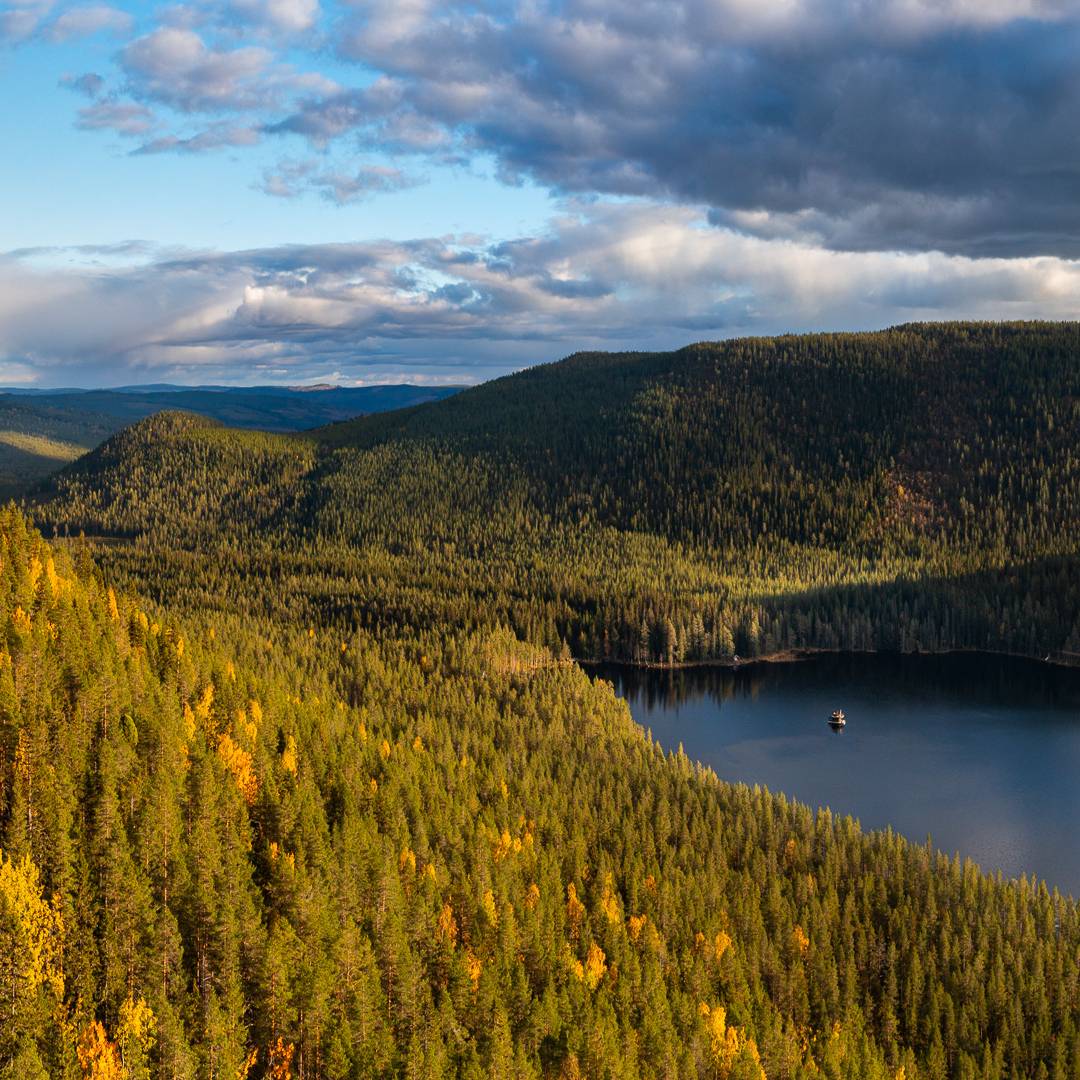
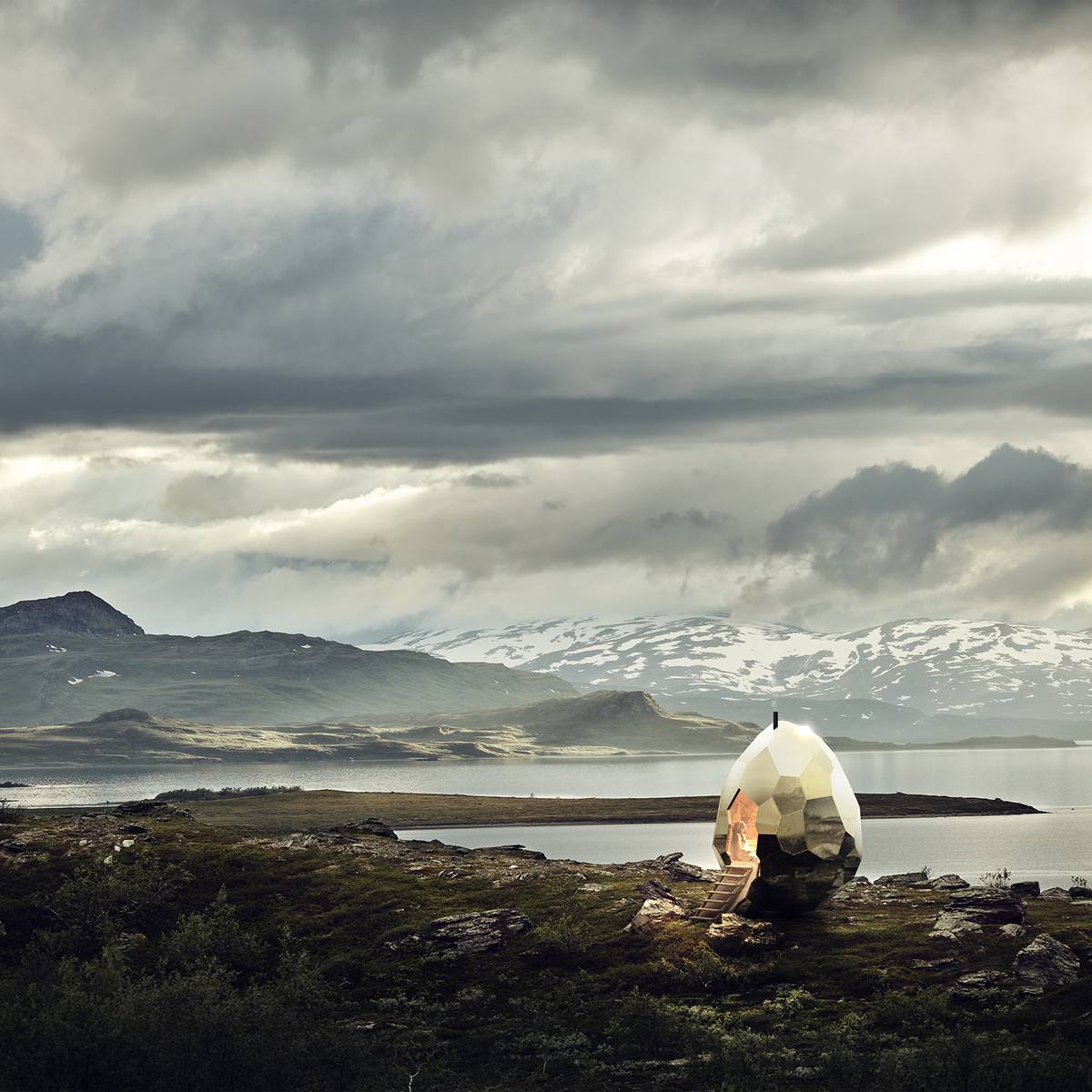
In Sweden, this isn’t a passing trend. It’s a way of life shaped over centuries, where age-old practices continue to evolve into modern experiences. Across the country, you’ll find places that bring these elements together, from forest spas and fire-cooked dining to immersive retreats in nature.