Trains, operated by SJ, run frequently to and from the main hubs of Dalarna – Falun, Borlänge, Avesta and Mora – and beyond.
Scandinavian Mountains Airport, located in Sälen, is the region’s local airport.

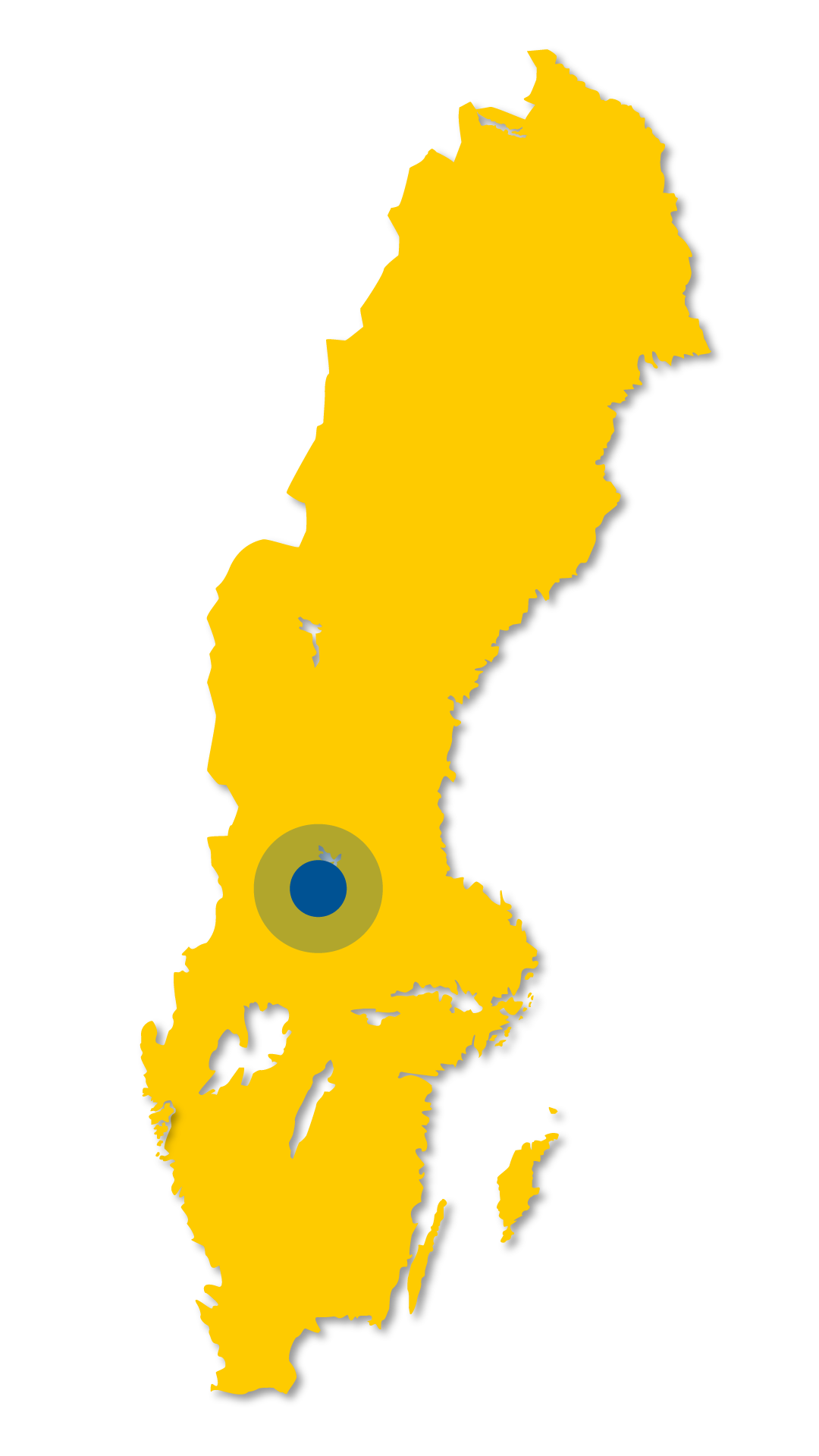
Dalarna is a natural treasure featuring varied and vast landscapes offering all manner of outdoor activities – with fascinating history and cultural heritage to boot.
Dalarna County, nestled in middle Sweden, leaves little to be desired. It's filled with natural beauty in the shape of hiking-friendly forests, mighty lakes, mountains and flower meadows – which the winters transform into terrain great for skiing and skating. With its all-encompassing landscapes, it’s easy to see why Dalarna has been described as a “miniature Sweden”.
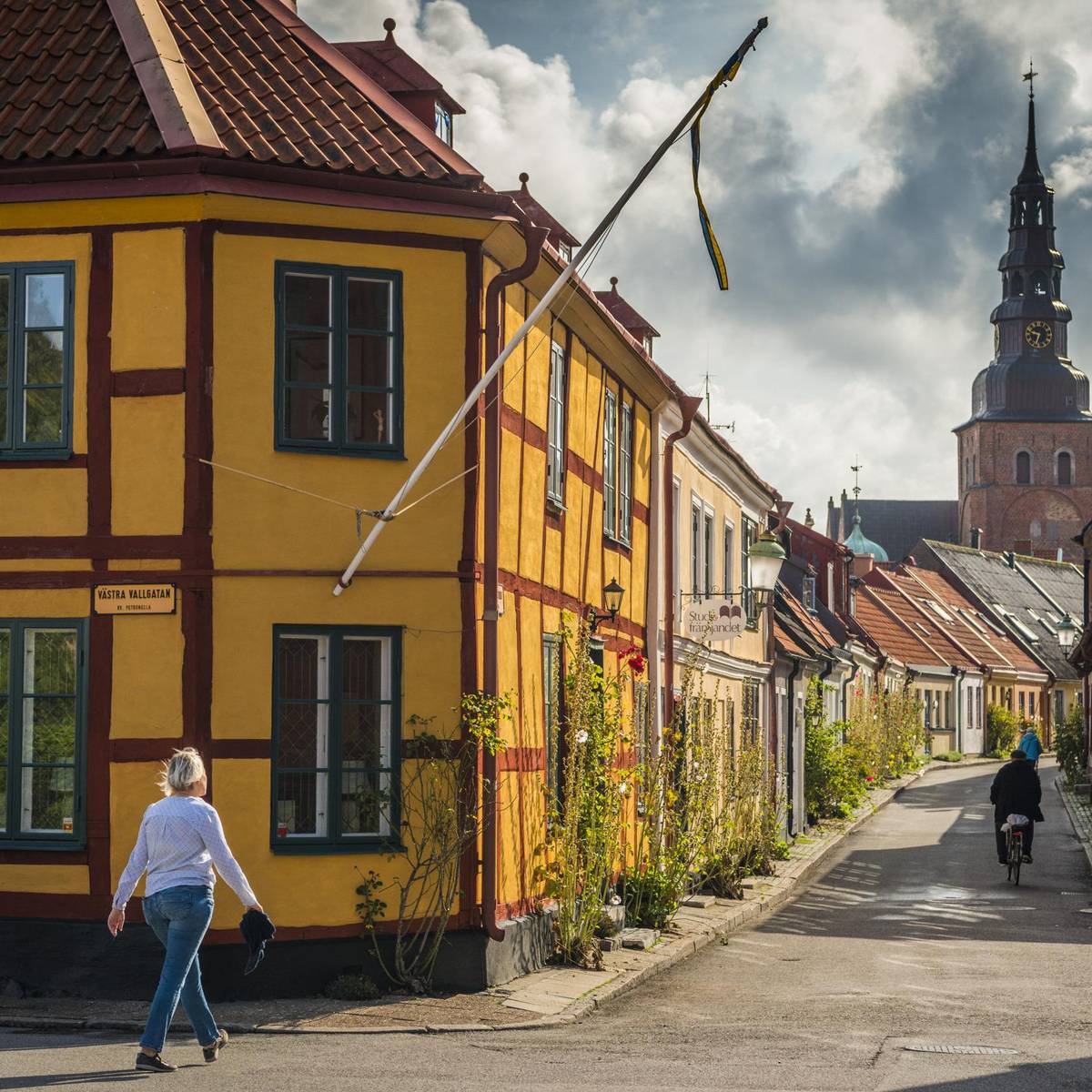
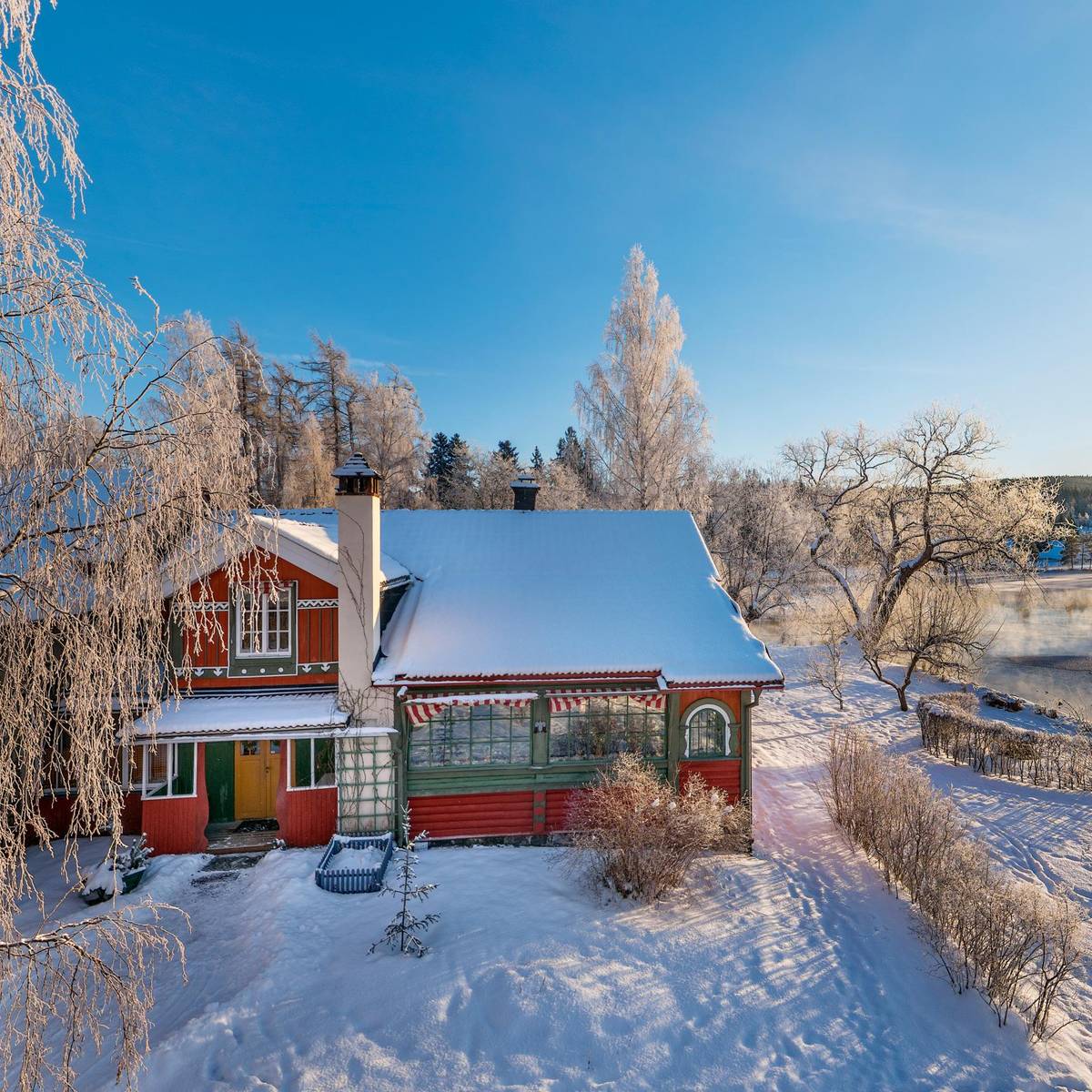
Culturally speaking, two of Sweden’s most iconic symbols hail from Dalarna: the elaborately decorated ‘dalahäst’ (Dala Horse) and the unmistakably Swedish shade of ‘Falu Rödfärg’ (Falun Red) that adorns cottages across the country.
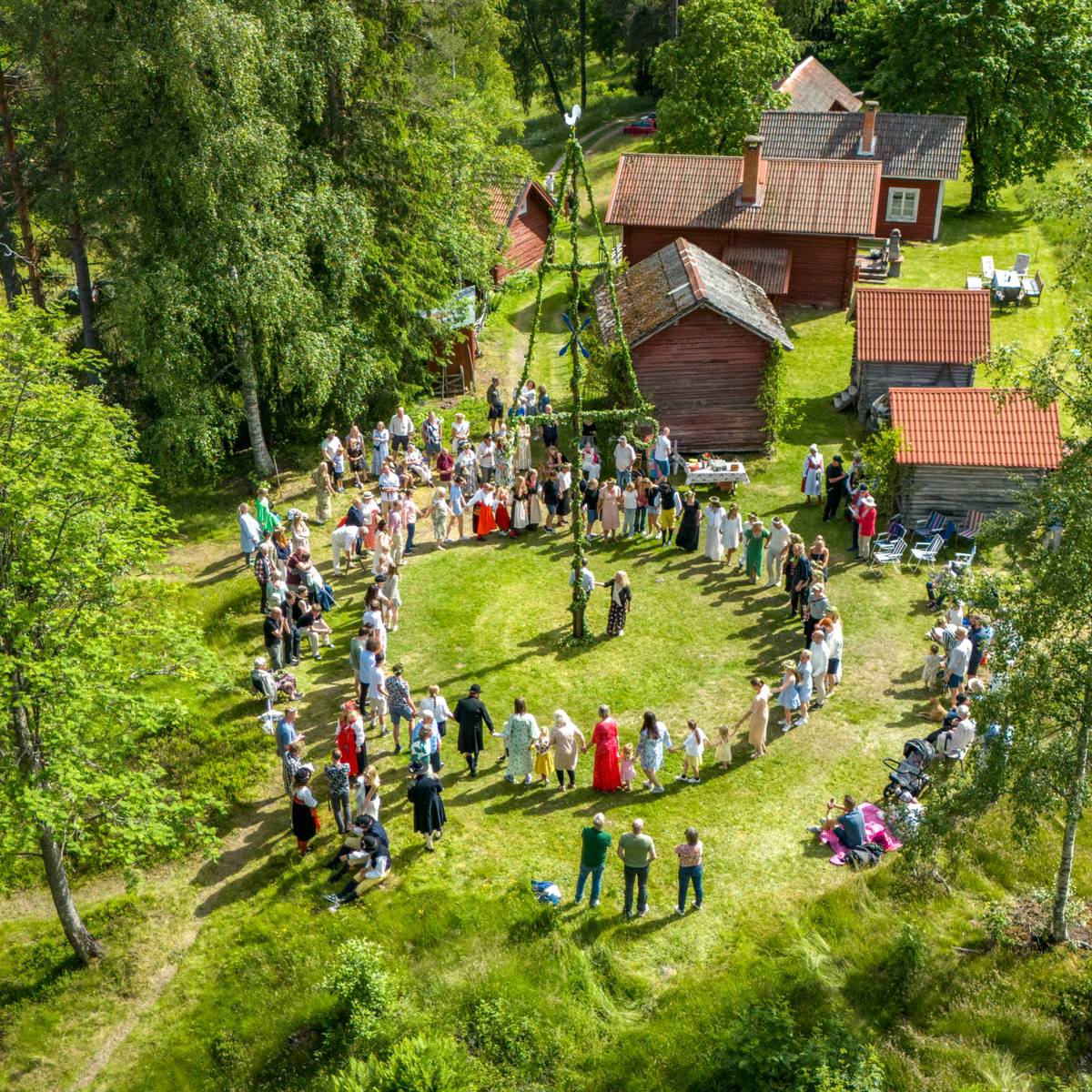
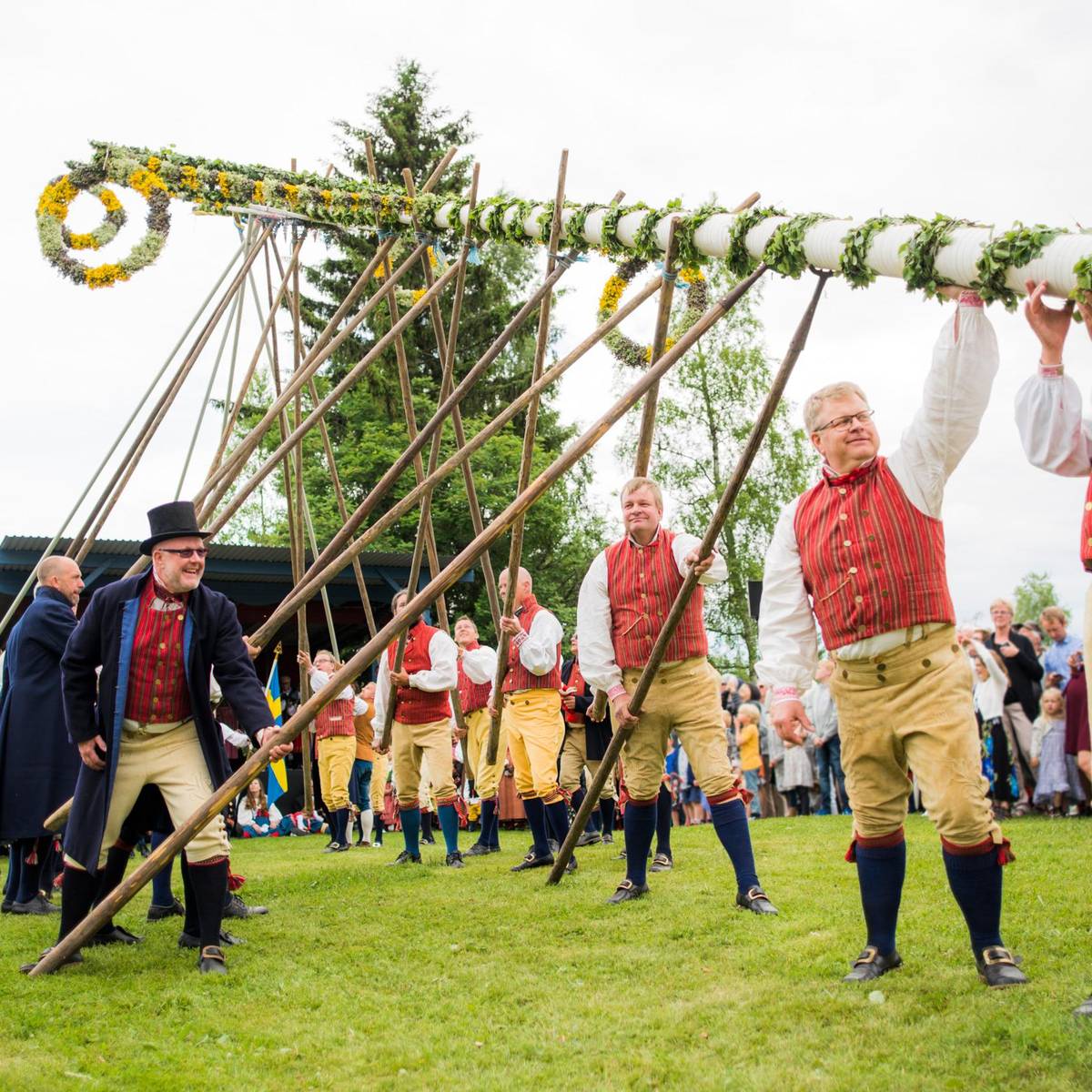
Dalarna is also the place to visit if you want to experience a Midsummer celebration with all the trimmings. Come June, join Swedes from across the country and head to Tällberg, Rättvik or Leksand – idyllic spots known for their wonderfully authentic Midsummer festivities (Midsummer Eve is always on a Friday between 19 and 25 June).
Midsummer takes place in June and is a celebration of the summer solstice, the longest day of the year. It is one of the most celebrated holidays in Sweden. A maypole is created and raised during the day, which people gather around to dance and sing.
Photo: Anna Hållams/imagebank.sweden.se

Photo: Anna Hållams/imagebank.sweden.se

Photo: Visit Dalarna
One of Dalarna’s claims to fame is its centuries-old UNESCO-listed Falun Mine, which saw the city of Falun grow into something of a superpower in the 17th century. Learn about this landmark’s history and other fascinating stories – such as that of Fet-Mats (“Fat Mats”), a naturally mummified miner found in 1719, perfectly intact 42 years after vanishing – on a guided tour down the mine. The site is located a pleasant walk from the city centre via Elsborg, a historic residential area dotted with wooden houses. The houses served as miner’s cottages, painted in Falu Rödfärg, made with pigment from the mine.
The legendary King Gustav Vasa is strongly associated with Falun. The Battle of Falun in February 1521 was the first scene of combat in the Swedish War of Liberation, and Vasa allegedly had to escape through a pit latrine to avoid capture by the Danes.
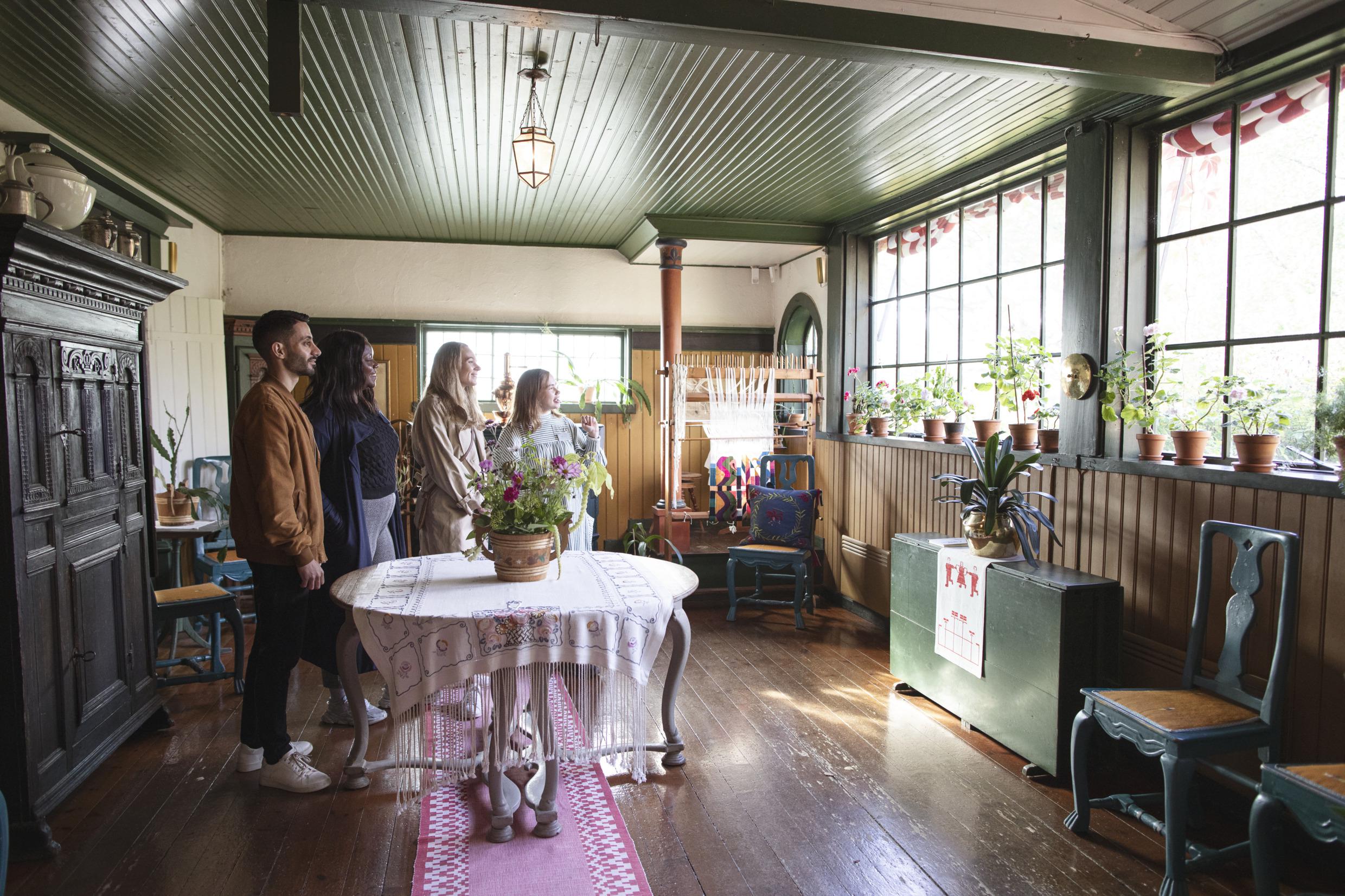
Experience a guided tour through Carl and Karin Larsson home Little Hyttnäs in Sundborn. Karin who was an interior designer and Carl a painter – has made Little Hyttnäs one of the most famous artist’s homes in the world.
Photo: Tina Stafrén/Visit Sweden
Dalarna offers art-lovers a wealth of experiences. Carl and Karin Larsson are among Sweden’s most iconic artists, and their unique aesthetic has inspired generations. The pair’s family home, Carl Larsson-gården, is a much-loved world of art, interior design and Swedish cultural heritage. In addition to Carl Larsson’s famous paintings, you’ll discover wonderfully bold textiles and wooden rustic furniture designed by Karin. Take a guided tour and have a bite at Restaurant Hyttstugan, a short walk away, serving up fika and dishes made from local produce.
Anders Zorn, born in 1860, is another significant artist hailing from Dalarna. The Zorn Museum in Mora boasts the world’s largest collection of his work, including his famous portraits and watercolour scenes depicting rustic life in Dalarna. You can also pay a visit to his nearby home, Zorngården (The Zorn House), which has been historically preserved.

The Dala horse is the most bought Swedish souvenir. It is a stylized wooden horse most commonly found in red with a typical folk art decoration called kurbits. The Dala horse has been made since the 1600’s in Dalarna and is still today mainly manufactured in a village called Nusnäs outside of Mora in Dalarna.
Photo: Amanda Westerbom/imagebank.sweden.se
Kurbits is a folk art form with strong ties to Dalarna. The ornate, often floral-based, painting style was popularly applied to wooden furniture in the 18th and 19th centuries. It also adorns the hand-carved Swedish classic dalahäst – (Dala Horse). Nils Olsson Hemslöjd workshop in the village of Nusnäs has been in business since the 1920s and is celebrated as one of the original purveyors of these covetable folk art pieces. Observe artisans at work during a tour, or even paint your own horse.
Avesta is home to the largest Dala Horse in the world. Towering 13 metres, it’s hard to miss as you enter the region’s southern parts.
Idre Fjäll in Dalarna is a great place for outdoor activities for the whole family.
Photo: Alexander Neimert/Idre Fjäll

Photo: Alexander Neimert/Idre Fjäll

Photo: Alexander Neimert/Idre Fjäll

Photo: Idre fjäll

Photo: Malin Englund/Äventyrsgruvan Tuna Hästberg
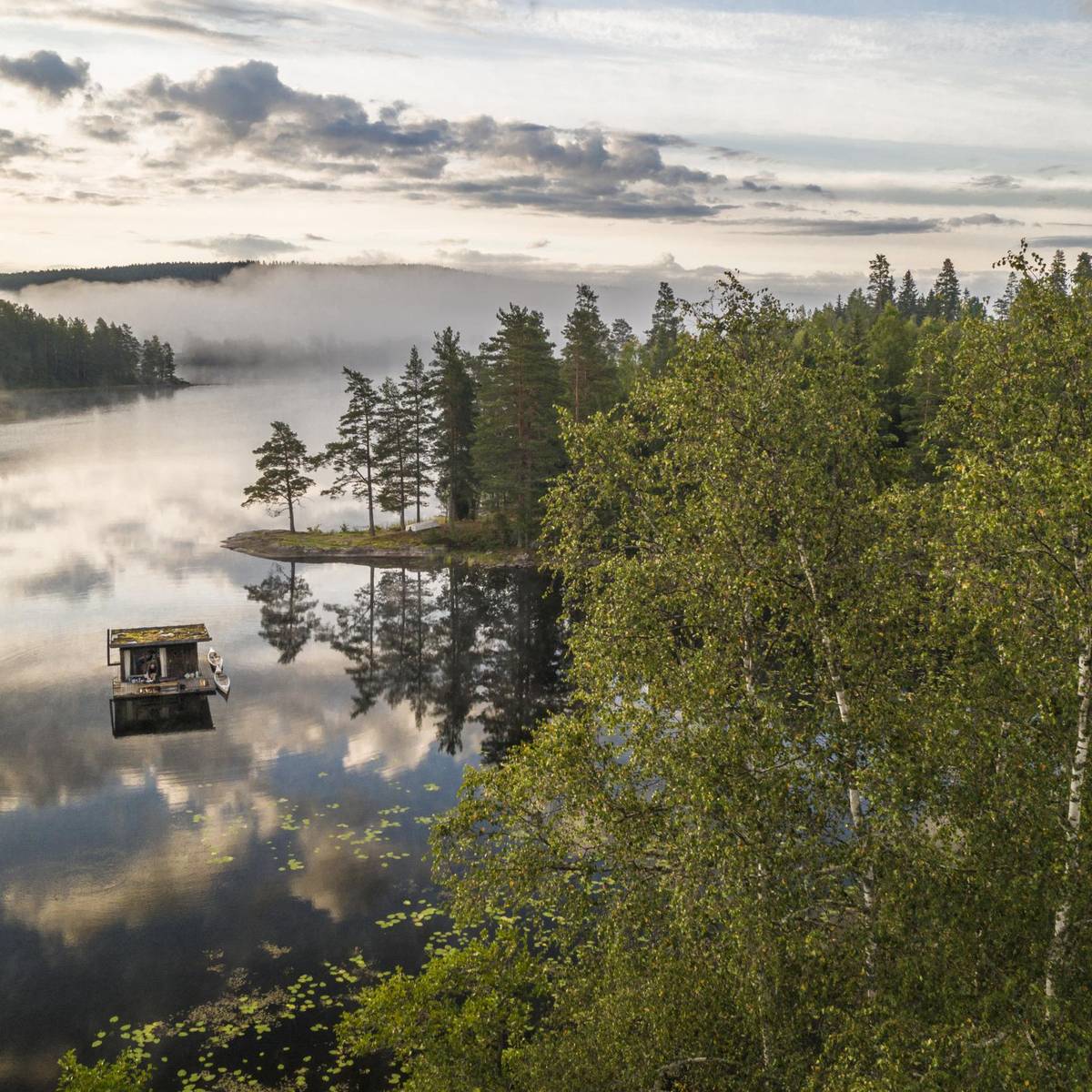
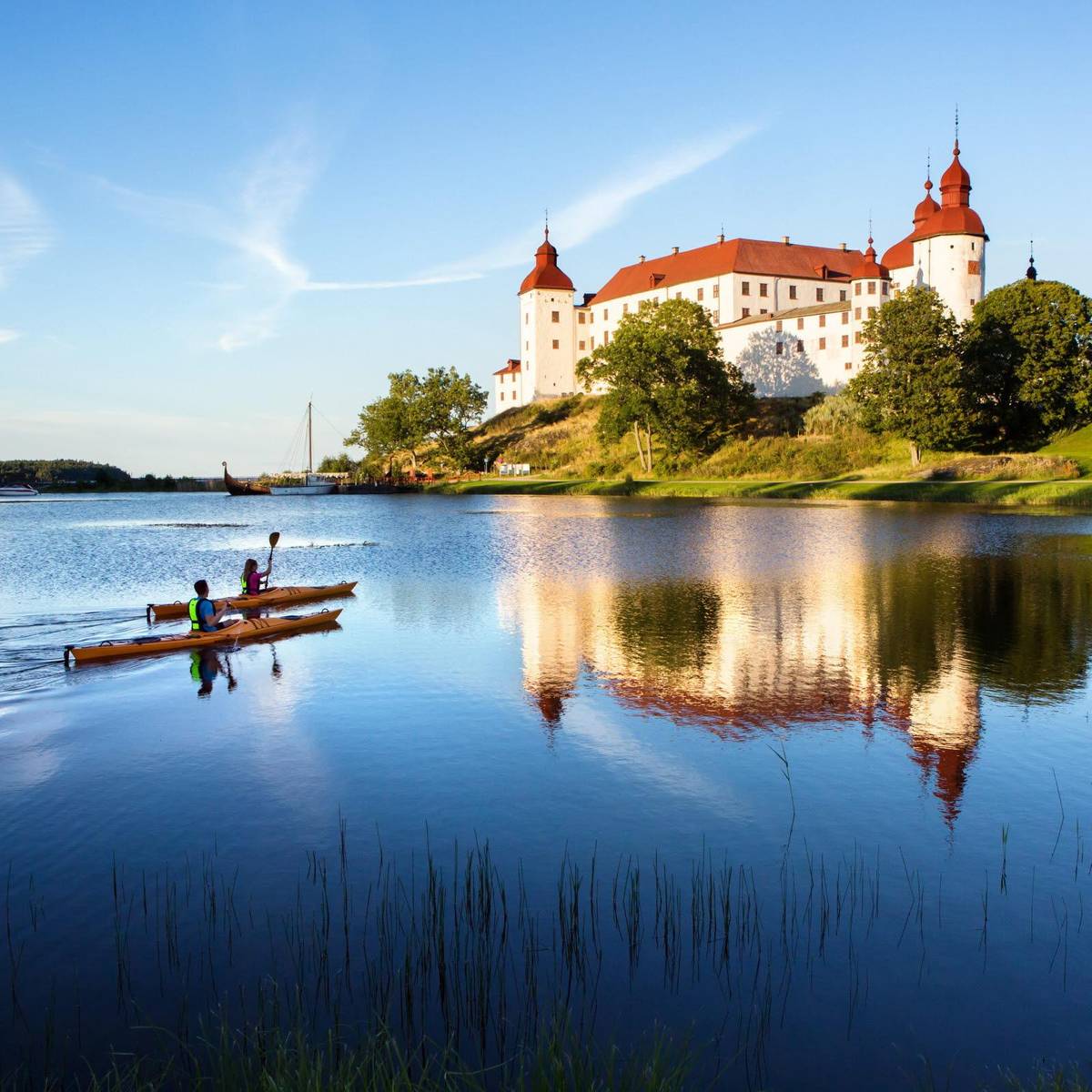
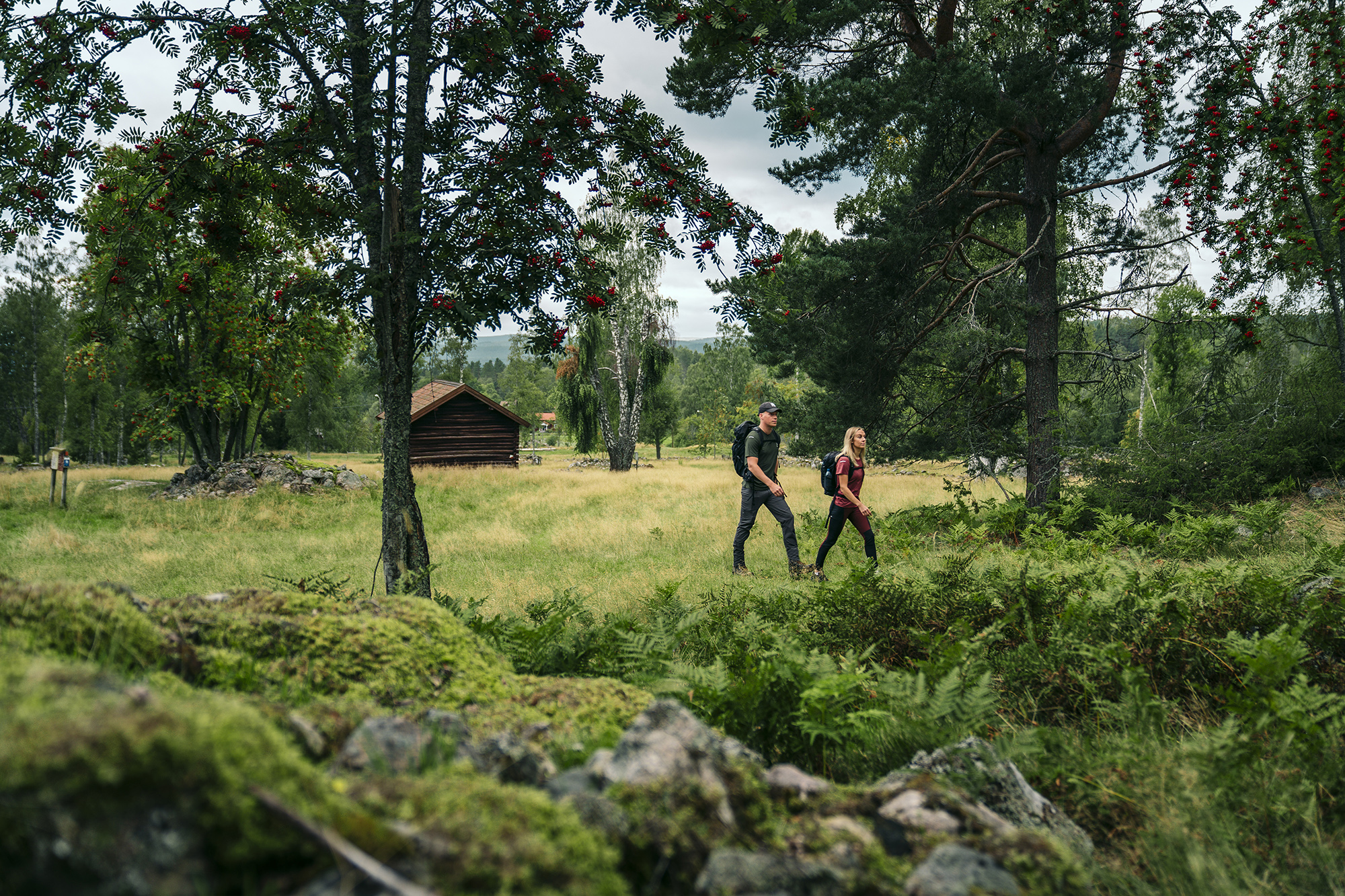
The nature of Dalarna is epic, with endless forests studded with majestic waterfalls and lakes – the crowning glory being Lake Siljan, the seventh largest in Sweden. It’s an ideal spot for swimming, fishing and kayaking. Siljansleden is a popular trail snaking around the entirety of the lake, perfect for hiking and, in some parts, mountain biking.
Also, consider the Dalkarlsvägen network of trails. This historic migration route takes you all the way from Dalarna to Stockholm. The route is divided into stretches, each one running between 20 and 37 kilometres, with plenty of natural beauty and cultural sites to take in along the way.
With its 30 metre-high rock walls, Helvetesfallet is a must-see natural wonder. You’ll find this extraordinary canyon on the river Ämån. And don’t miss the spectacularly beautiful Fulufjället National Park – a mountainous area near the Norwegian border.
Whether you’re into cross-country skiing, alpine skiing or snowboarding, Dalarna is a snow sport enthusiast’s paradise. Idre and Sälen are two excellent ski resorts with a range of activities for the whole family.
For a nature experience out of the ordinary, visit the Adventure Mine's sauna in Idkerberget, southwest of Falun. Located 80 metres below ground, this unusual place offers both adventure and relaxation thanks to the mine sauna ritual, which includes a guided tour through dark tunnels and bathing possibilities in the crystal-clear water surrounding the illuminated sauna.

Local food at Sahlin Struts, an ostrich farm in Borlänge.
Photo: Visit Dalarna
Dalarna’s culinary heritage has had an impact on Sweden as a whole. The much-loved classic, ‘falukorv’ (Falu sausage) is a giant U-shaped sausage, made from a grated mixture of smoked pork and beef and mild spices, enjoyed countrywide. With roots in the copper-mining community, it is made according to strict regulations.
The Borlänge ostrich farm Sahlins Struts has an onsite restaurant serving up ostrich burgers and more. And locally produced cheese is the order of the day at Murboannas deli in the same city.
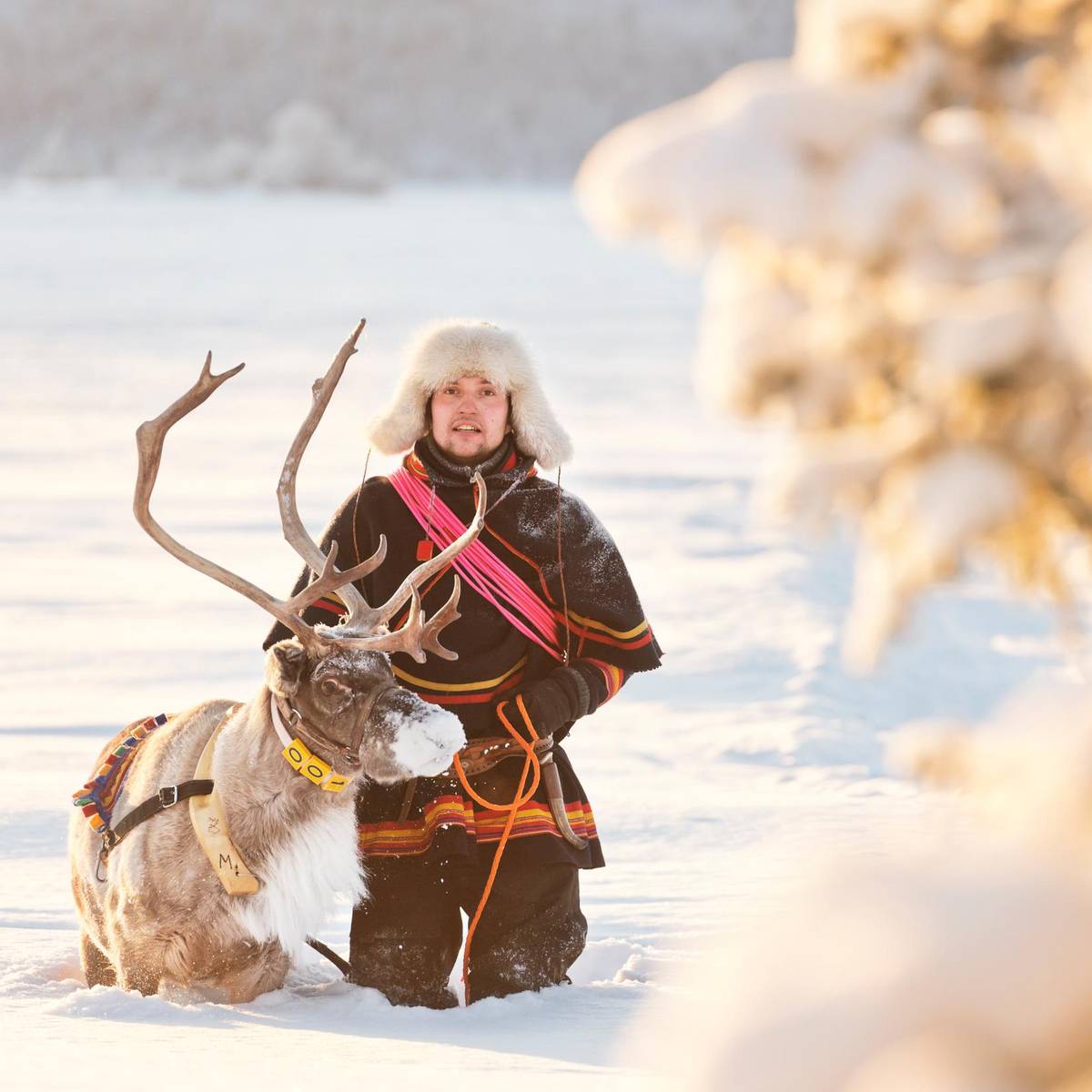
Take the opportunity to immerse yourself in Dalarna’s Sami culture at Idre-based Renbiten – a family-run shop and café offering traditional, homemade Sami dishes such as reindeer soup.
Fryksås Hotel, housed within a historic homestead in Orsa, is a fine dining option with a menu based on locally sourced, seasonal produce – spanning delicious meat, fish and greens.
For more restaurants around the county, search Visit Dalarna's website.
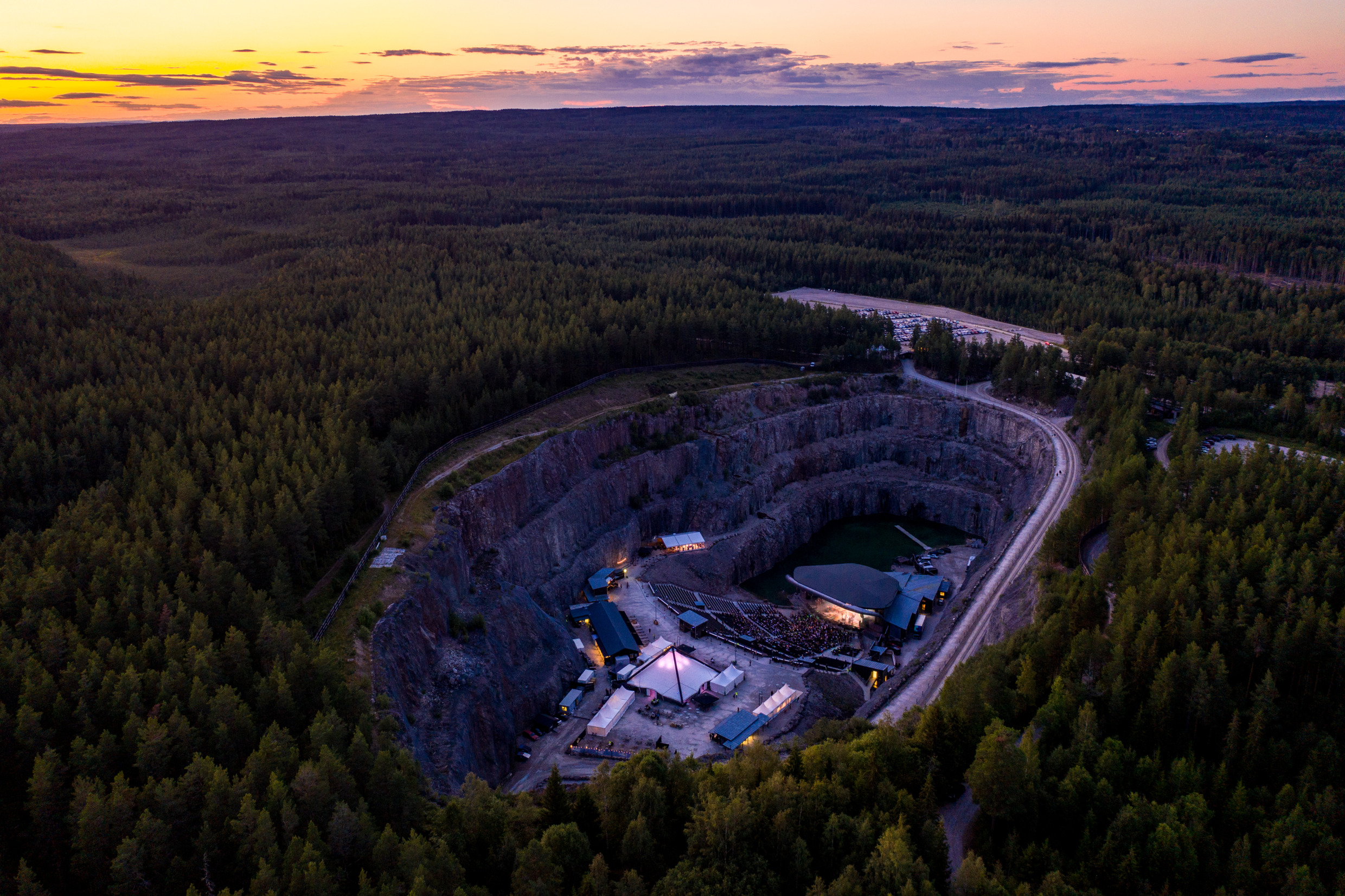
Dalhalla is a spectacular open-air arena set in a former limestone quarry in Dalarna – a unique concert experience surrounded by forest and steep rock walls.
Photo: Daniel Eriksson/Dalhalla