What are the Northern Lights, and what causes them?
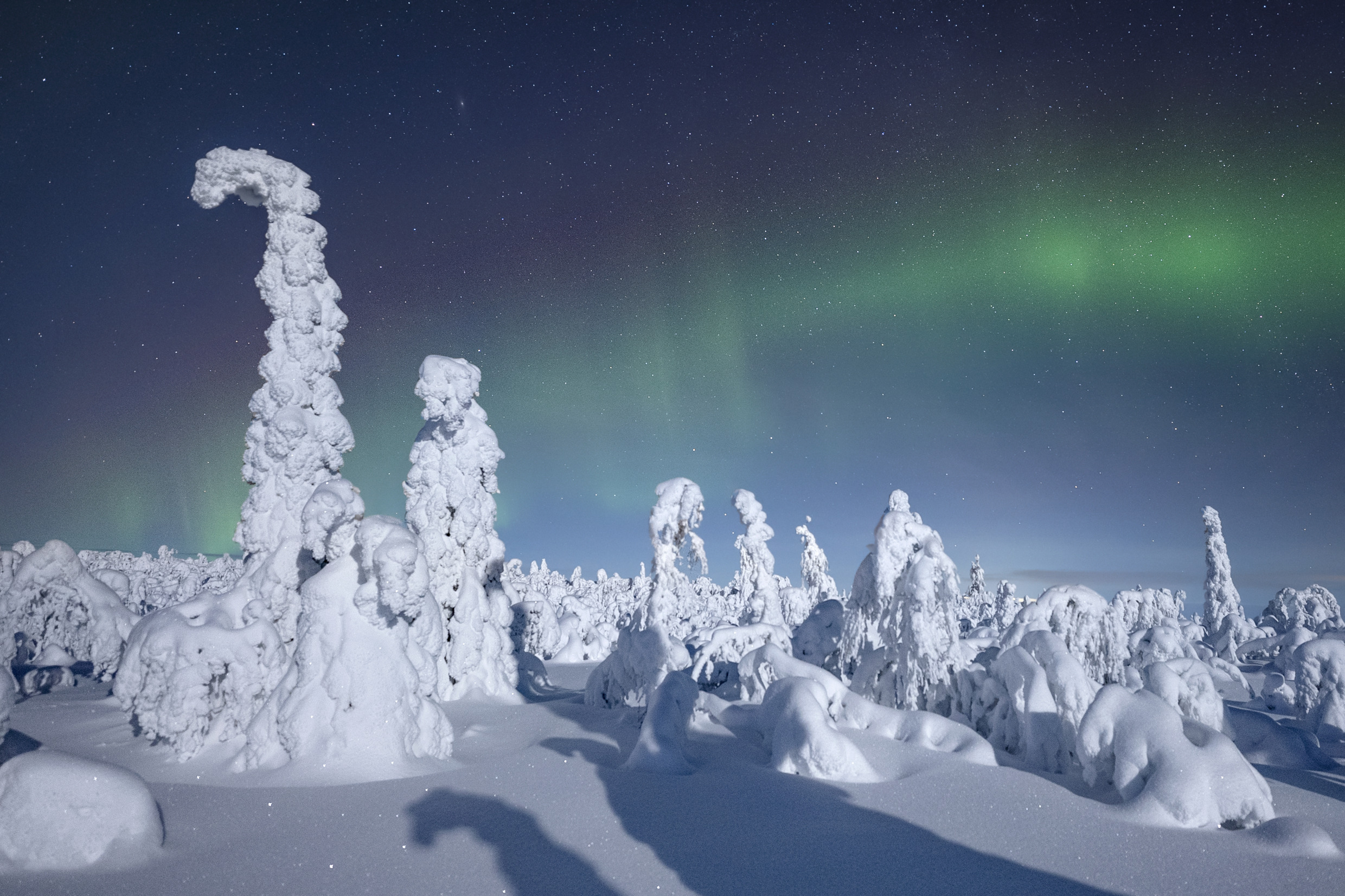
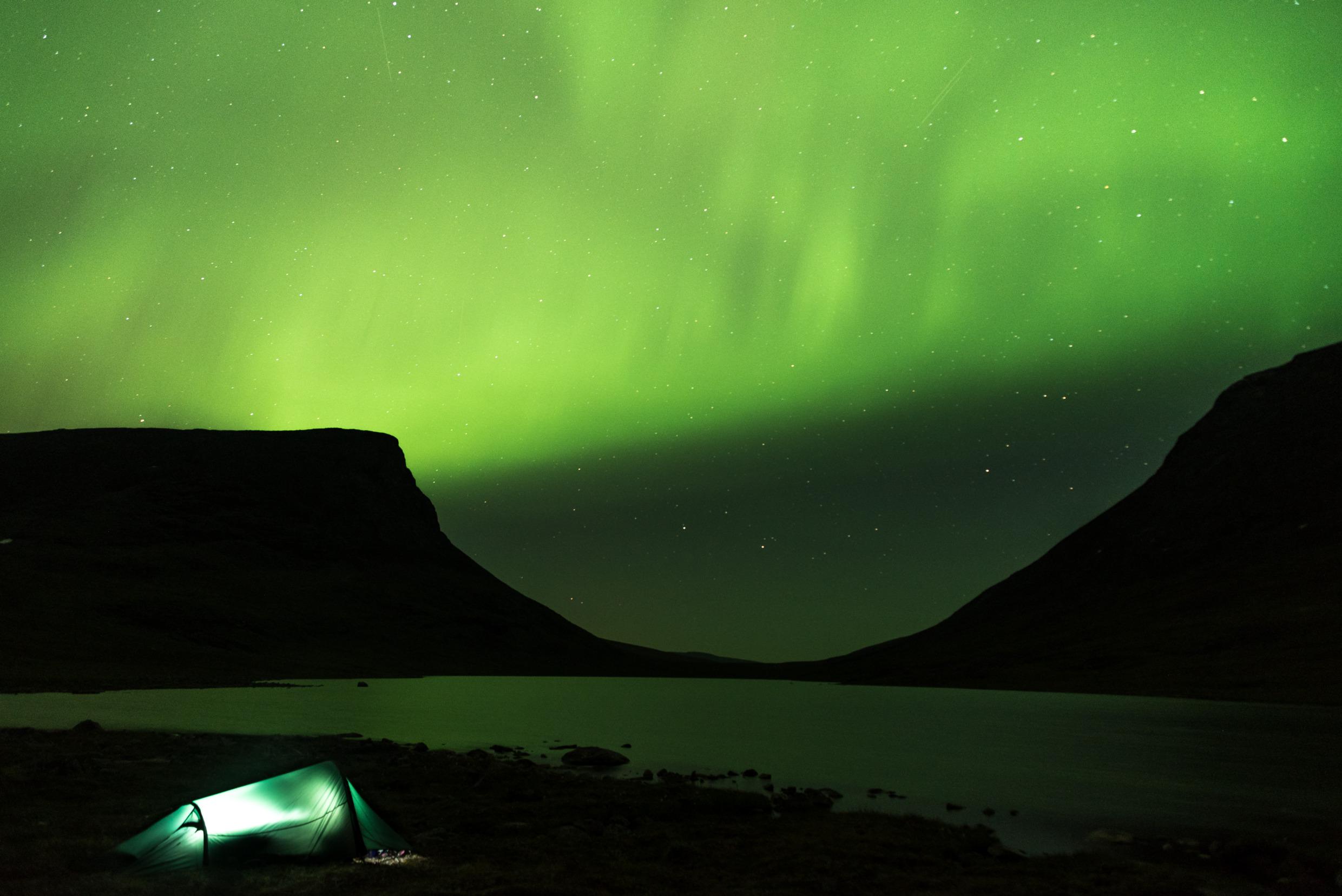
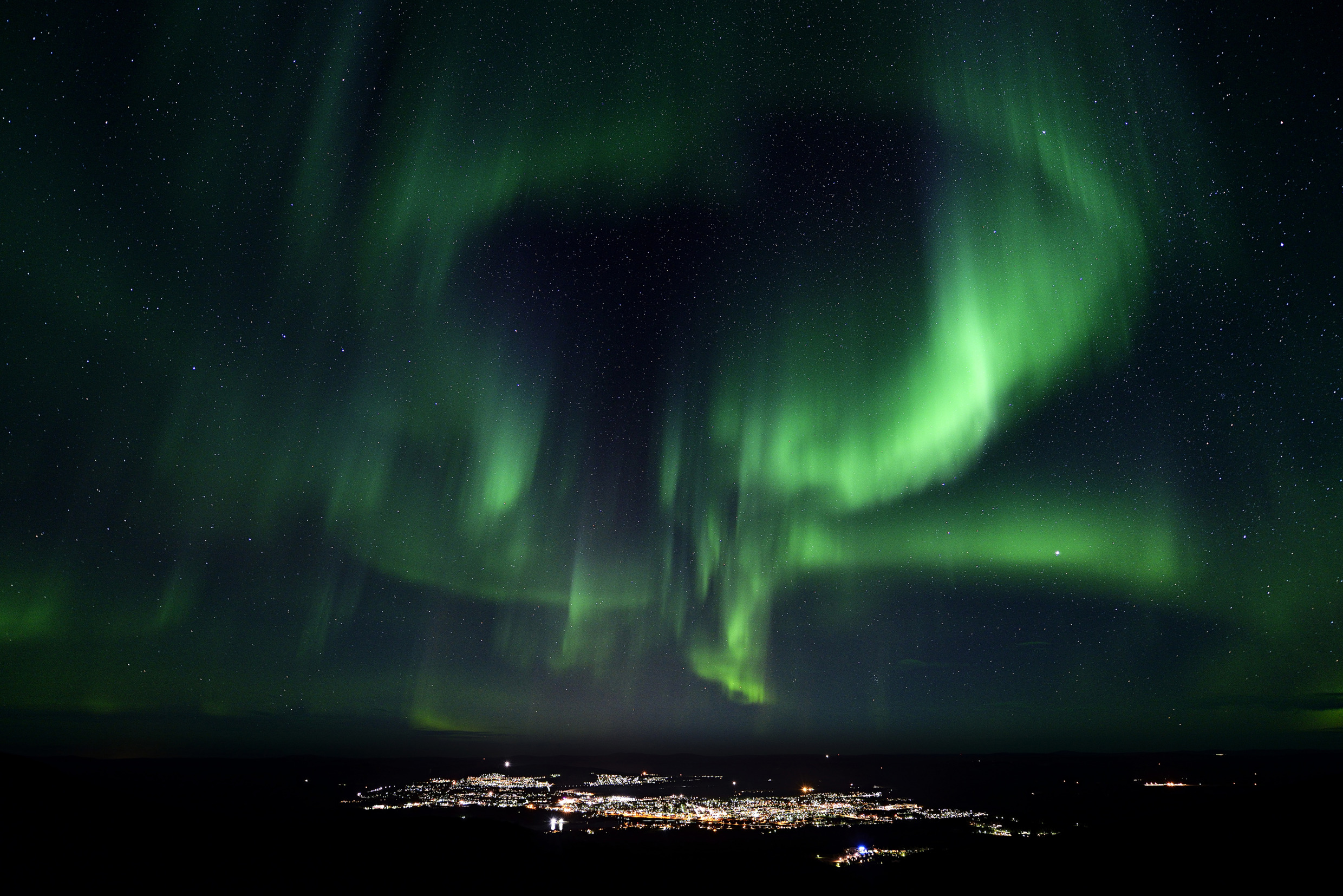
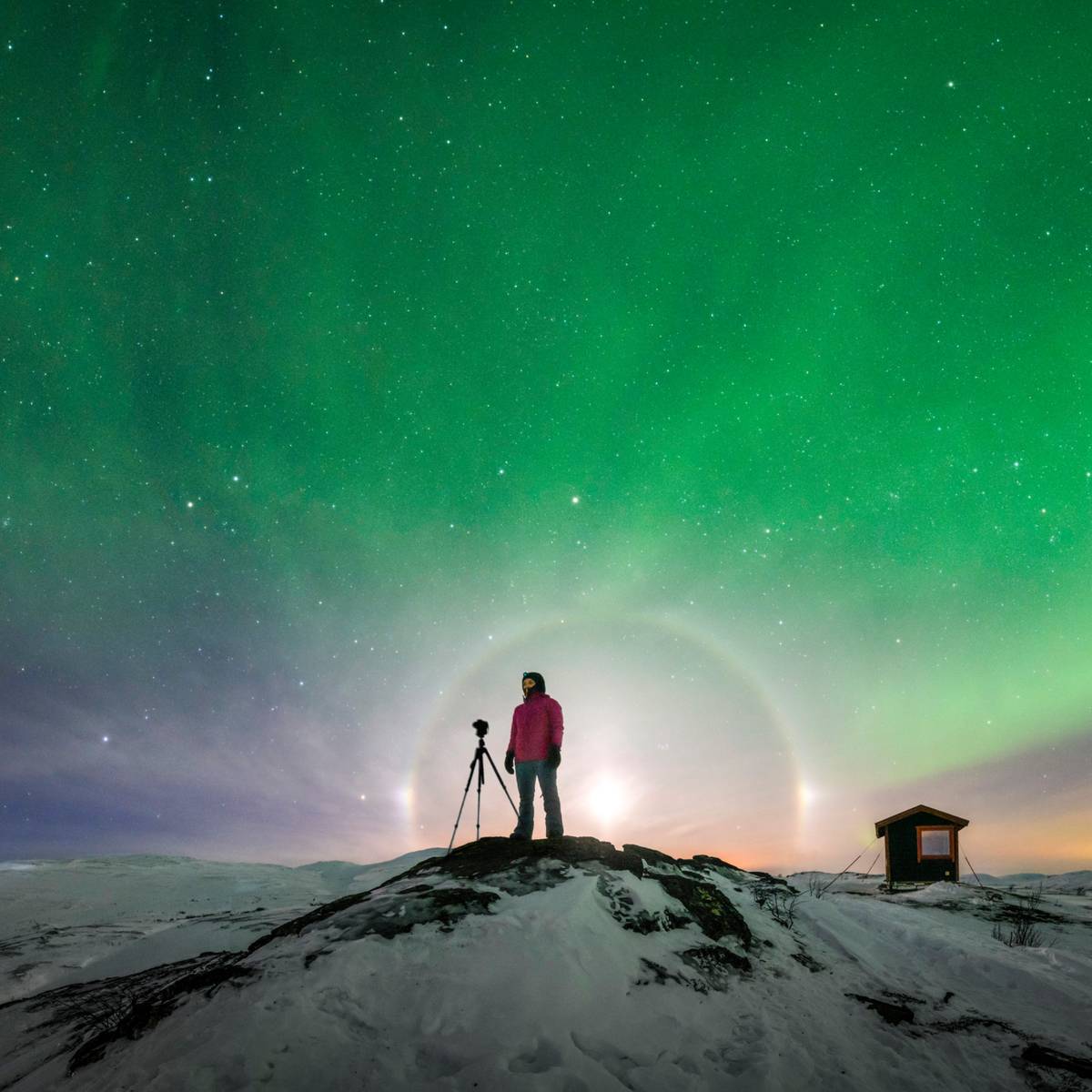
The Northern Lights are a unique natural phenomenon created when electrically charged particles from the sun collide with gases in the Earth's atmosphere. The colour variations depend on which gas particles are involved – low-altitude oxygen produces the most common green light, while oxygen higher up creates shades of red. Nitrogen, meanwhile, gives off hues of blue and violet.
The result is a magical sight as vibrant colours snake across the night sky, shifting and swirling as if dancing to some unheard music.
Mystical explanations
The Latin name, aurora borealis, translates to ‘dawn of the north’, with Aurora being the Roman goddess of the dawn. Steeped in myth and wonder, the Northern Lights have captivated people worldwide for thousands of years.
The Sámi – the Indigenous people of northern Sweden – believed the lights were the souls of the dead. You weren’t supposed to sing, whistle or wave at them, as this could be seen as disrespectful and cause the lights to dip down and carry you away. The Vikings, on the other hand, thought the Northern Lights were Valkyries riding across the sky to guide fallen warriors to Valhalla, where they would join Odin, the chief god.