Five persons sitting around a wooden table set with plates and wine glasses. There is a cooking pot and fresh herbs on the table.
Outdoor eating and drinking
Friends gather to cook and eat out in the nature at Wallby Säteri. Swedish forests are filled with edible treats such as berries, mushroom, nettles and other greens.
Photo credit: Anna Hållams/imagebank.sweden.se

Swedish sips: Five non-alcoholic drinks to discover

Discover the blueberry classic that’s warmed cross-country skiers for more than a century, or sip the same elegant whitecurrant sparkling served to Nobel Prize winners. Join us as we explore the world of Swedish non-alcoholic drinks, where long-standing traditions meet creative new flavours.

Drinking has long been one of Sweden’s favourite ways to socialise. From the sweet, dark malt drink ‘svagdricka’ – literally meaning ‘weak drink’ – to celebratory schnapps, workplace coffee breaks and garden lemonade made from sun-ripened berries, refreshments have long played an important role in Swedish culture.

Today, non-alcoholic drinks are on the rise in Sweden, where tradition meets innovation in everything from alcohol-free beers and craft ciders to kombucha, premium tonics and soft drinks with a characteristically balanced sweetness.

At fine dining restaurants, non-alcoholic pairings are created with the same care as wine menus, while berry-based drinks from small producers are gaining popularity across the country. With fertile soils and the Right of Public Access (‘Allemansrätten’), Swedes have long bottled the flavours and scents of forests, fields and gardens. Let’s explore five Swedish non-alcoholic drinks and where to try them.

A person out of view is holding a bowl of blueberries in one hand and pinches one blueberry between two fingers of the other hand as if to show it to someone.
Blueberries
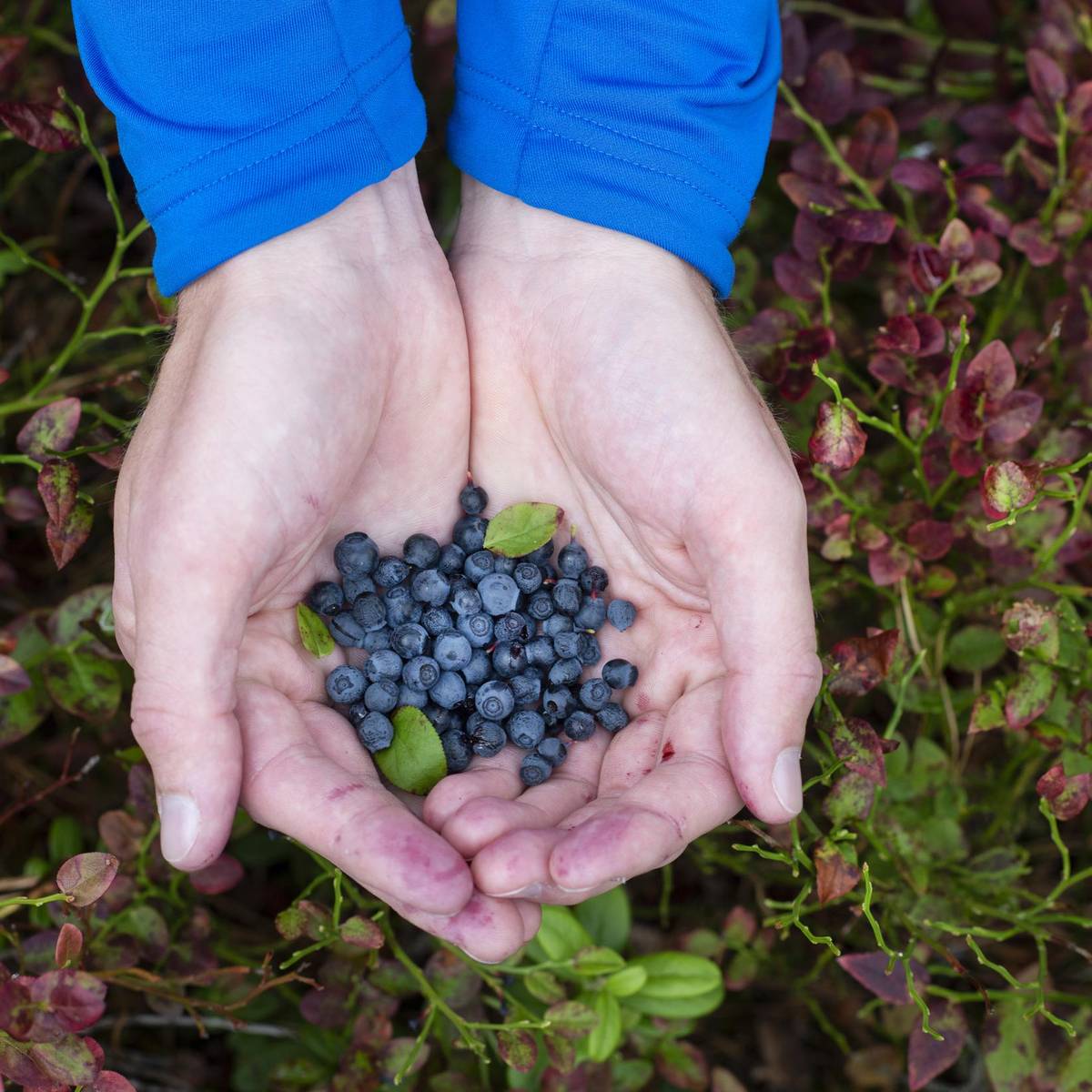
Blueberry picking in Heråmaden nature reserve. This is in part made possible by the ‘allemansrätten’ – the right of public access – which gives everyone the right to enjoy Sweden’s outdoors, including the right to pick mushrooms, herbs and berries.
Photo: Moa Karlberg/imagebank.sweden.se

Blueberry soup

Wild berries grow across much of Sweden’s forests, with blueberry plants covering about 17 per cent of the country’s surface. Little wonder that hot blueberry soup has become closely linked to Vasaloppet, the world’s largest cross-country ski race. Long before it came in cartons, women in Dalarna simmered soup from locally handpicked, dried blueberries to fuel skiers at the checkpoints. During race week, around 50,000 litres are ladled out.

In Swedish, ‘blåbär’ (blueberry) is also used to describe a beginner. So if you’re new to cross-country skiing, you might be both the ‘blåbär’ and the one drinking it. Try it at a ski café or pick up powdered or ready-to-drink blueberry soup from a grocery store before heading outdoors.

Someone holding a glass of ice with a napkin, with red beverage inside.
Ice cold drink
Keeping your drink cool has never been easier, in this glass made of ice. Sweden offers many exotic experiences, such as ice bars in various locations in the country.
Photo: Fredrik Larsson/imagebank.sweden.se

Lingonberry juice

Swedish schoolchildren once got time off during harvest season to help pick lingonberries – a tradition known as ‘lingon leave’. By the late 19th century, tonnes of berries from northern Sweden were being exported to Germany. As sugar became more widely available, lingonberry juice grew into a popular drink known for its sweet-sharp flavour and naturally high antioxidant content.

Today, it’s enjoyed both as an everyday drink and as part of classic Swedish meals. Try it with Swedish meatballs at an Ikea restaurant, or order a ‘Vargtass’ (‘Wolf’s paw’) – traditionally made with hot lingonberry juice and vodka – served in an ice glass at the Icehotel in Jukkasjärvi or Icebar Stockholm, where non-alcoholic vodka is also available.

A woman picking apples on a sunny day.
Apple orchard
The first Swedish wine to be served at the Nobel Prize Dinner is a sweet wine from Umeå made with the best Swedish apples and the natural winter cold of Västerbotten. Brännland Iscider picks and press apples in the fall, store the liquid in huge containers to let the arctic cold freeze it. The freezing concentrates the natural sugars in the juice which after fermentation produces a delicious sweet wine that is currently served in some of the finest restaurants in the world.
Photo: Emmie Bolmstedt/imagebank.sweden.se

Apple juice

Apple juice has been enjoyed in Sweden since medieval times, but today it’s perhaps most closely associated with Österlen in Skåne, often referred to as Sweden’s ‘apple kingdom’. In the coastal village of Kivik, orchards stretch across the landscape in rows that feel almost Tuscan – just decidedly more apple-focused.

At Kiviks Musteri, founded in 1888, visit Äpplets Hus (‘The Apple House’) to learn more about Swedish apple growing and juice-making traditions, then stroll through the orchards nearby. Taste clear, cloudy or sparkling apple juice, browse the farm shop and finish with a slice of apple cake.

In late September, the annual Apple Market unveils a giant apple artwork built from around 35,000 apples.

Sparkling currant juice
Rudenstams offers fruit and berry juices produced with ingredients from their own farms in Småland. The juices are top quality and have been served at the Nobel dinner.
Photo: Tina Stafrén/imagebank.sweden.se

Currant drinks

In gardens across Sweden, bushes heavy with red, black and whitecurrants have long supplied ingredients for cordials, juices and jams. Today, currants are also finding their way into elegant alcohol-free pairings.

By Lake Vättern, Rudenstam produces a dry sparkling drink made from whitecurrants, served at the Nobel Prize Banquet. Visitors can also stop by the farm shop and café. In Bergslagen, Färna Odlingar transforms blackcurrants into rich, wine-inspired drinks served at Färna Herrgård & Spa. Roots of Malmö Kombucha uses currants in seasonal brews available at selected retailers across Sweden.

Some Swedes also steep currant leaves to make a fragrant herbal tea, often enjoyed by the fireplace on colder days.

hree champagne glasses filled with non-alcoholic sparkling wine.
Non-alcoholic sparkling wine
Sweden’s growing interest in alcohol-free drinks has sparked a wave of sparkling wine alternatives.
Photo: Emmie Bolmstedt/imagebank.sweden.se

Sparkling non-alcoholic drinks

Sweden’s growing interest in alcohol-free drinks has also sparked a wave of premium sparkling alternatives. Alongside alcohol-free wines, Swedish producers are experimenting with everything from sparkling tea to fermented birch sap.

Oddbird produces sparkling wines gently “liberated” from alcohol, while wine expert Richard Juhlin has created his own range of non-alcoholic blanc de blancs. On the island of Gotland, Pettersson & Munthe bottles refreshing sparkling tea, often paired with seafood at selected restaurants. Many of these drinks are also available at Systembolaget.

Near Jönköping, Ängabackens Björksoda produces naturally sparkling, fermented birch sap. Visitors can stop by the farm shop to taste and buy their drinks – a reminder that in Sweden, even birch trees can inspire what ends up in your glass.