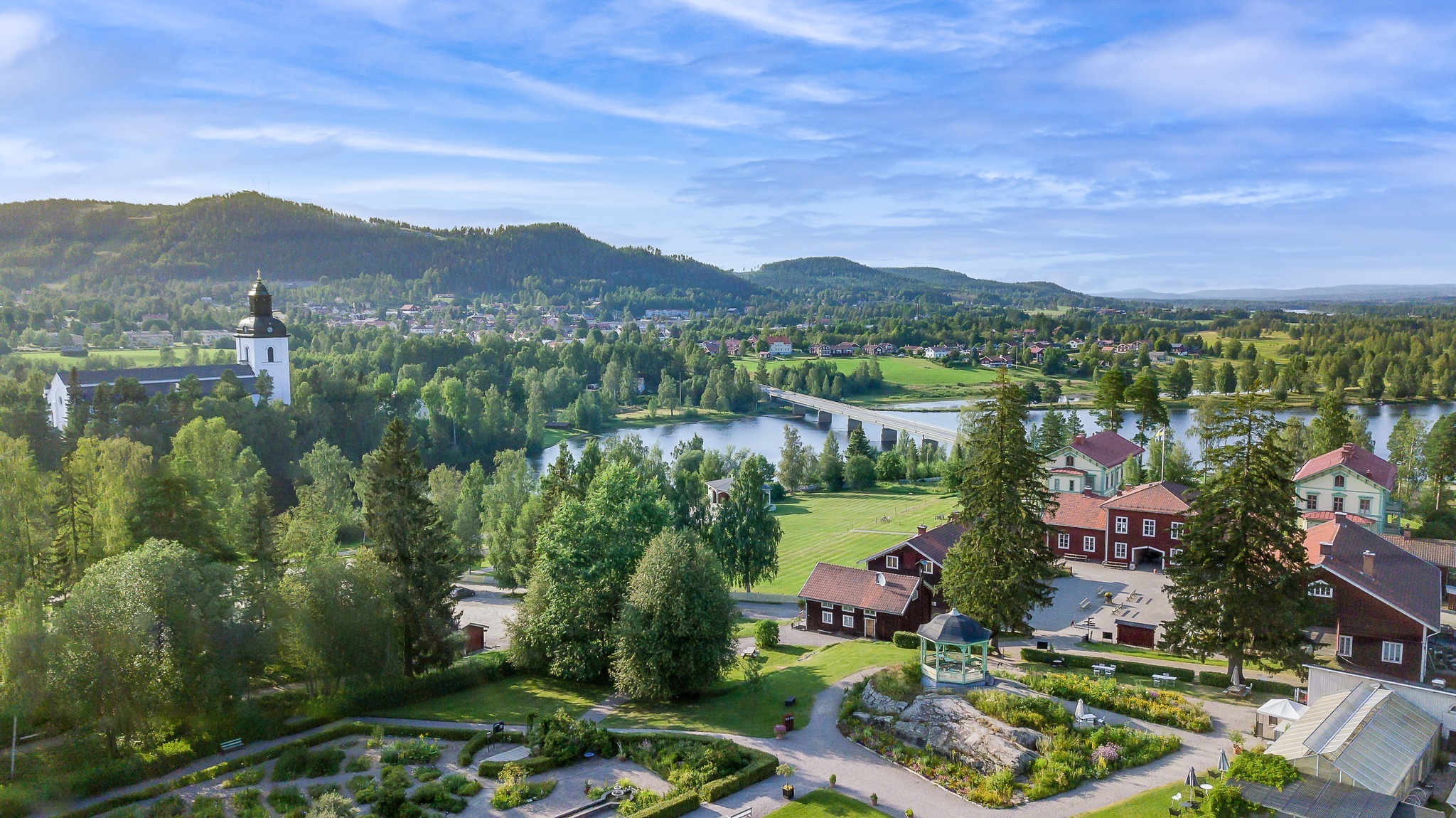
Aerial view of Stenegård in Järvsö, a traditional Hälsingegård with red timber buildings, gardens and surrounding forested hills and river landscape.
Photo credit: Järvsö

Hälsingland – a province of cultural heritage and scenic beauty

The Swedish province of Hälsingland is a treasure trove of stunning landscapes and a rich cultural heritage, home to UNESCO-listed farmhouses and a picture-perfect countryside. Whether you’re exploring deep forests, charming villages or the Baltic Sea coast, Hälsingland invites you to discover its unique blend of nature and history, all year round.

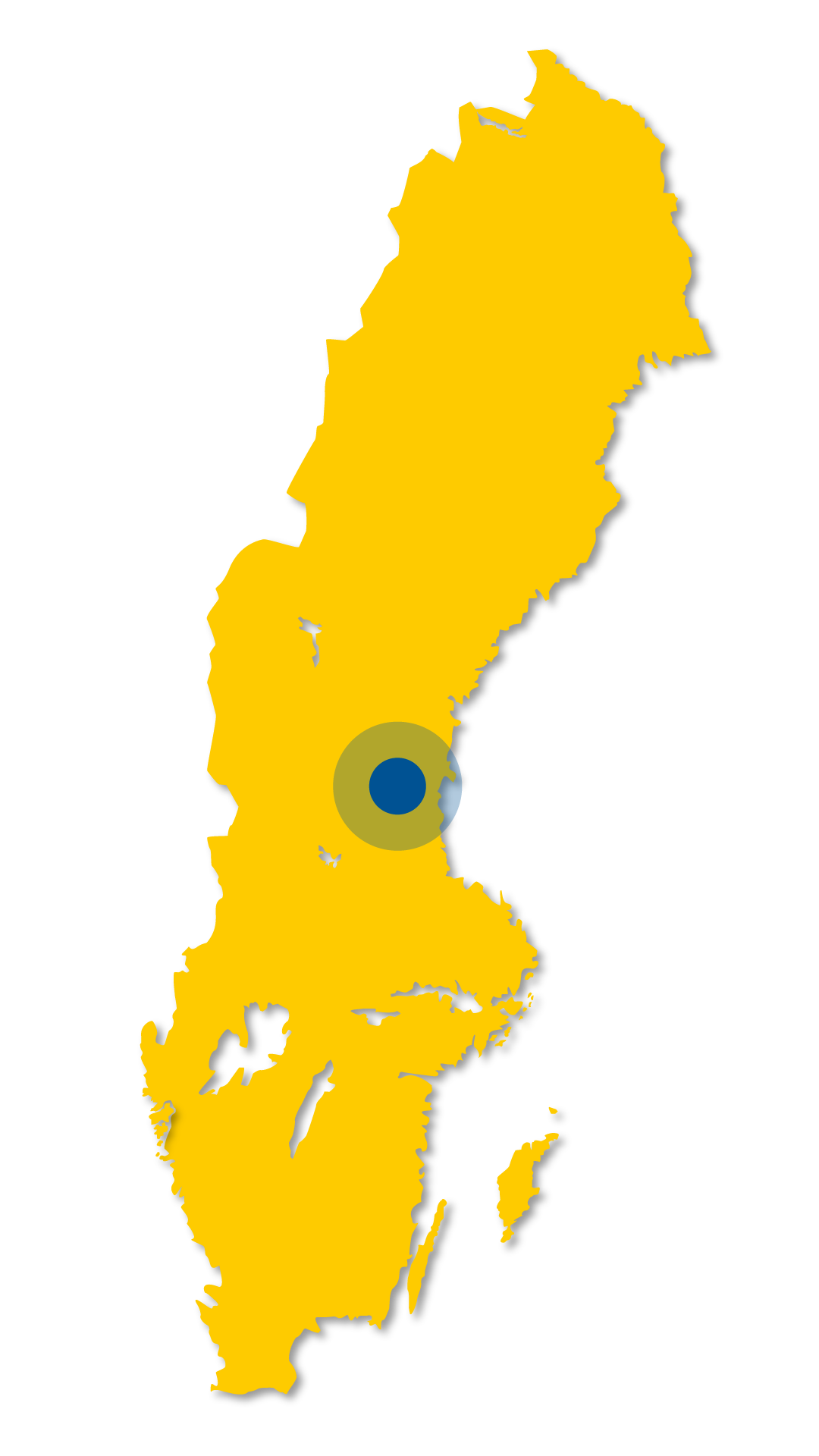
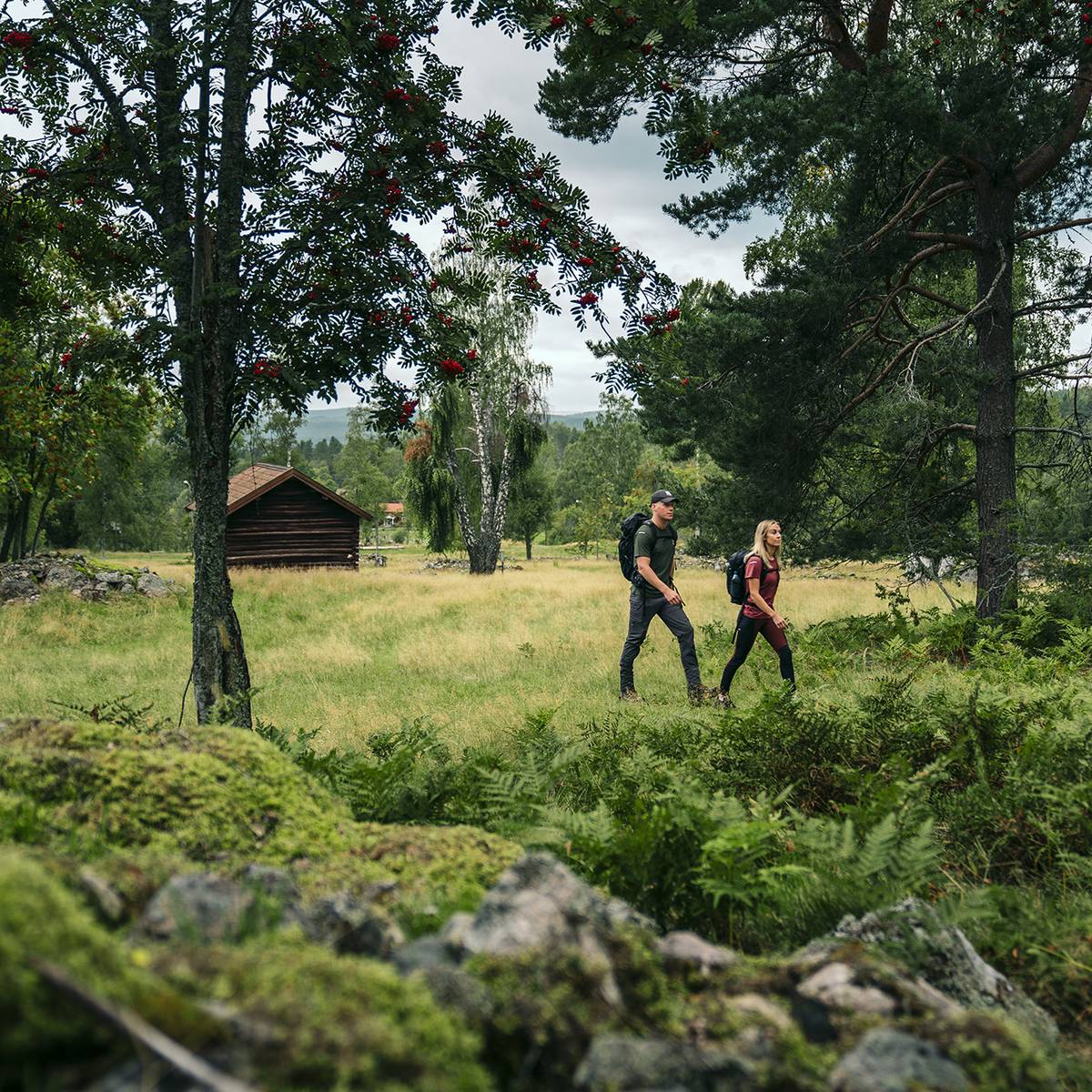
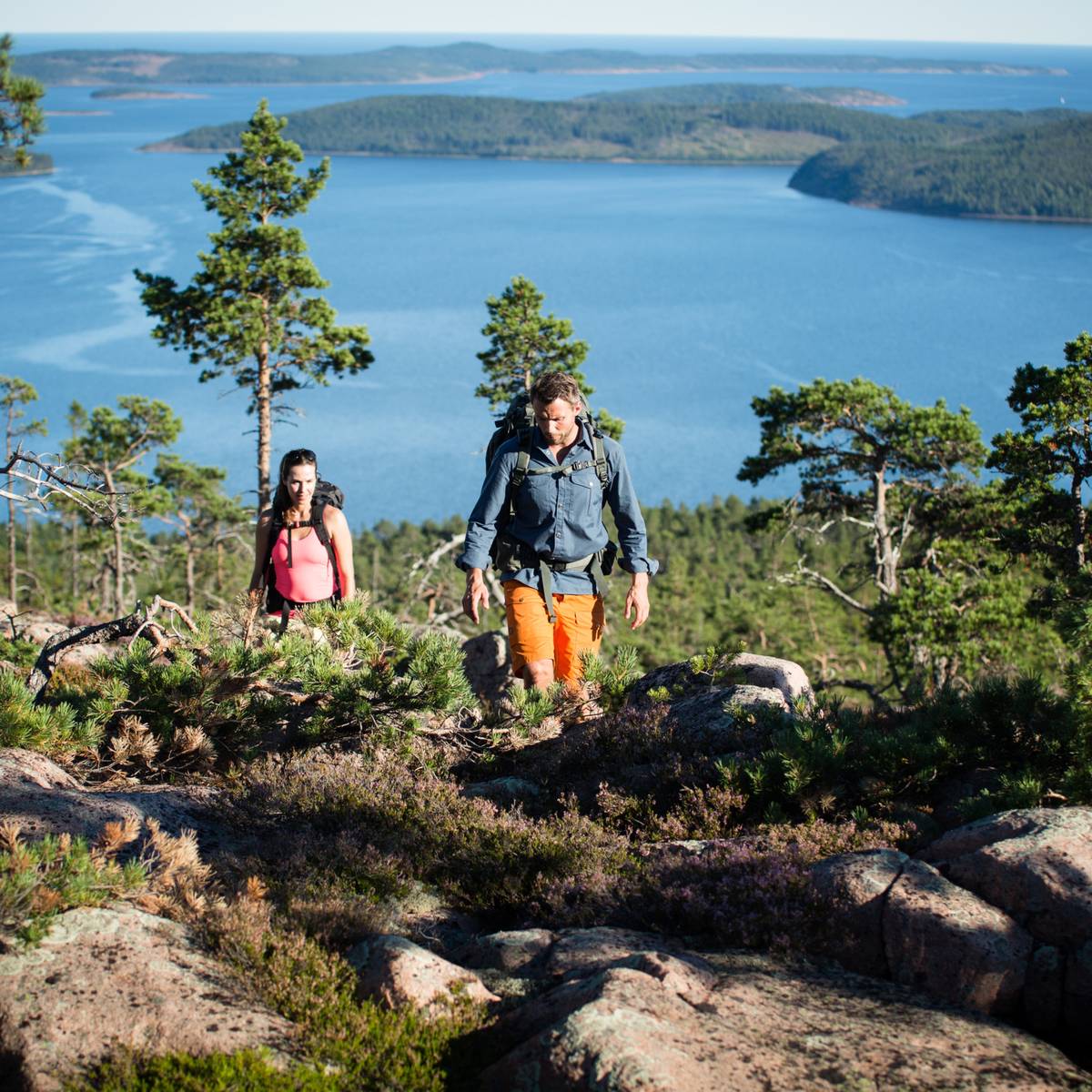
Just a few hours north of Stockholm, the province of Hälsingland stretches across vast forests, charming villages and a scenic coastline. The varied landscape – from valleys and mountain ranges to archipelagos – is ideal for hiking, kayaking and wildlife spotting.

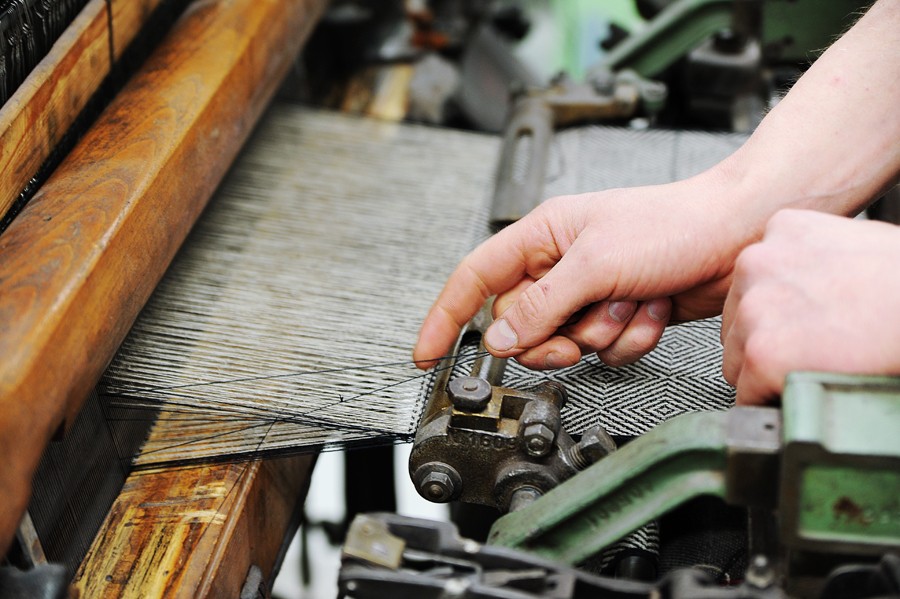
Cultivated since the Iron Age, Hälsingland’s farmers became renowned for their ingenuity, earning a living through cattle breeding, forestry, and linen production. With their accumulated wealth, they built the magnificent timber homes known as ‘Hälsingegårdar’ (Decorated Farmhouses of Hälsingland), now UNESCO World Heritage sites. Hälsingland also offers a rich culinary heritage, shaped by local ingredients and time-honoured flavours. Here, farm-to-table isn’t a trend – it’s a tradition.

Hälsingland comprises six municipalities: Bollnäs, Hudiksvall, Ljusdal, Nordanstig, Ovanåker and Söderhamn.

1 / 2

Hälsingegård

Decorated Farmhouses of Hälsingland, Hälsingegårdar, was inscribed on UNESCO´s World Heritage List in 2012.

Photo: Håkan Vargas S/imagebank.sweden.se

/ 2
Hälsingegård

Hälsingegård

Photo: Håkan Vargas S/imagebank.sweden.se

Hälsingegård

Hälsingegård

Photo: Jann Lipka/imagebank.sweden.se Jann Lipka/imagebank.sweden.se

Explore Hälsingland's unique cultural heritage

Hälsingland is home to one of Sweden’s most remarkable cultural treasures – the Decorated Farmhouses of Hälsingland. While thousands of these timber farmhouses still stand across the region, seven have been recognised as UNESCO World Heritage sites for their unique architecture and richly decorated interiors. Around fifty of the farmhouses are open to the public.

Here are four well worth a visit:

  • Erik-Anders in Asta, near Söderhamn – A beautifully preserved and UNESCO-listed farmhouse from the 1820s, featuring artwork by the Knutes family. Includes a visitor centre, café, shop, and a 1920s-style garden. Overnight stays are available.
  • Gästgivars in Vallsta, near Bollnäs – Another UNESCO-listed farmhouse known for its exquisite stencilled interiors by 19th-century artist Jonas Wallström. Offers guided tours, a craft shop and a restaurant serving Swedish classics.
  • Fågelsjö Gammelgård (‘Bortom Åa’) – A historic farm with roots in the 17th-century Finnish settlement. The well-preserved site offers a glimpse into the life of a prosperous farming family, complete with a traditional bakehouse and a unique gun workshop. Fågelsjö is also part of the UNESCO World Heritage listing.
  • Stenegård in Järvsö – A 19th-century farm estate with gardens, craft shops, playgrounds and charming eateries. Stenegård is a vibrant cultural hub and an excellent destination for visitors of all ages.

For a deeper dive into this unique heritage, follow the Hälsingland Farm Trail (‘Stora Hälsingegårdars väg’) – a signposted road route with a free English audio guide. It takes you through picturesque villages and past several historic farmhouses open to visitors.

However, Hälsingland’s culture is more than just its grand farmhouses. Here, music, crafts and folk traditions are still very much alive – from locally woven textiles to contemporary design.

If you’re curious about Sweden’s linen-making legacy, stop by Växbo Lin, a working mill in the village of Växbo. Nearby, Växbo Kvarn offers a historic setting with artisan shops and locally produced food.

Another must-see is Gränsfors Bruk, where world-famous axes are still forged by hand. Right next door, the Gränsfors Flower Pot Factory continues the area’s long-standing tradition of ceramics.

And if you’re curious about how textile heritage meets modern, sustainable design, stop by Holma Market, a creative reuse concept set in a refurbished factory space.

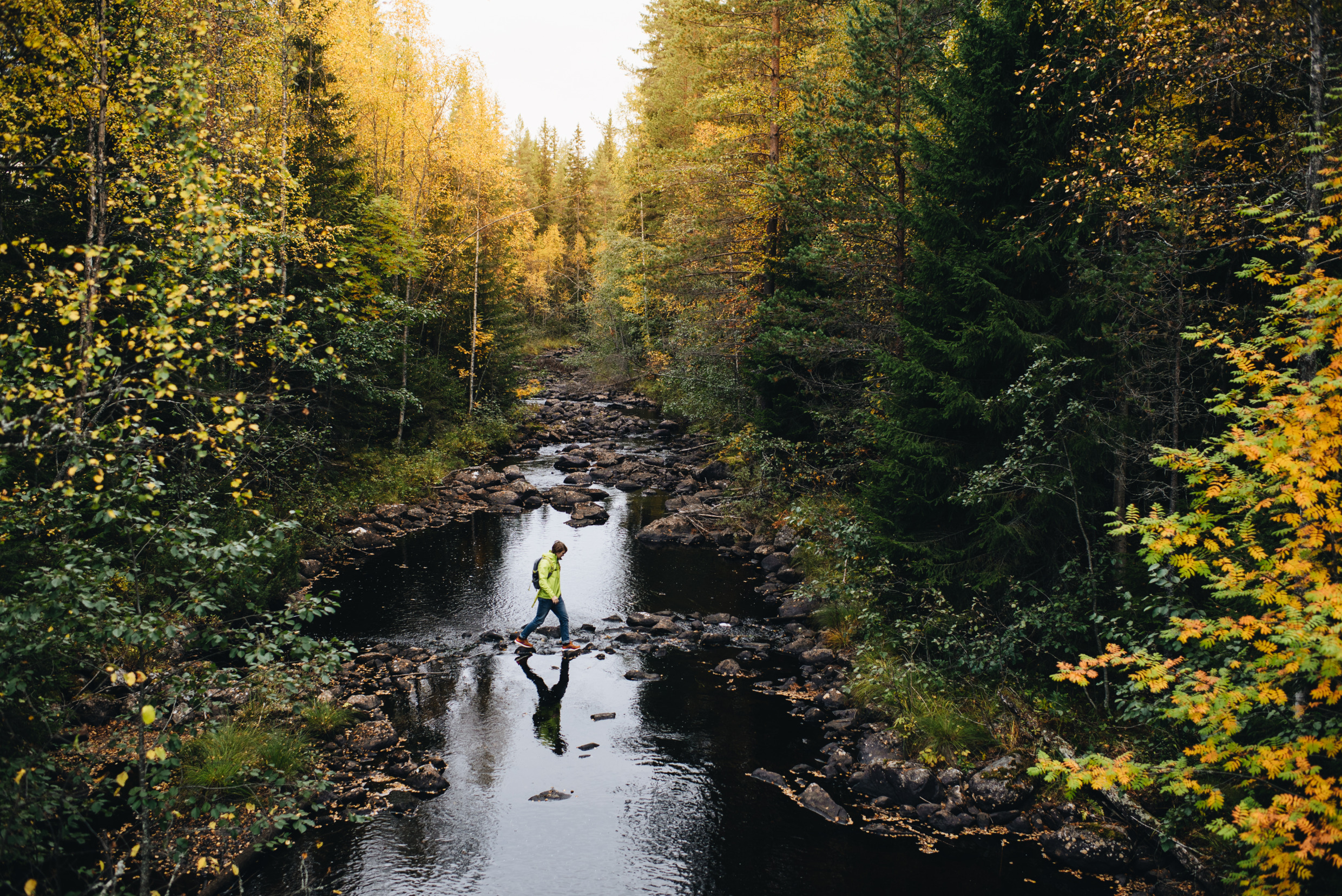
Person walking across rocks in a calm forest stream during autumn, surrounded by dense trees in Hälsingland.
Hiking in Hälsingland
Autumn hike through Sweden’s most forest-dense province. Hälsingland offers golden foliage, stillness and endless woodland trails.
Photo: Järvsö

When to visit Hälsingland?

  • Spring: As nature awakens, Hälsingland offers peace, fresh air, and a chance to reconnect with the outdoors. With few visitors around, it’s the perfect time for hiking, forest picnics and a truly Swedish experience.
  • Summer: Peak season means long days, lush landscapes and lively villages. Explore grand farmhouses, enjoy coastal life or join local events happening all over the region.
  • Autumn: When the leaves turn golden, the pace slows down. Go hiking or paddling in colourful surroundings, cycle forest trails or visit a harvest market filled with local flavours.
  • Winter: A snowy escape with no crowds in sight. Try skiing, snowshoeing, or snowmobiling through silent forests. On clear nights, look out for starry skies and the Northern Lights.
1 / 6

Brown bear

The Scandinavian brown bear is a peaceful omnivore that mainly feeds on berries, ants, grass and herbs. Bears could once be found all over Sweden. In the late 1920’s the bear became a protected species, after almost becoming extinct. Today there are around 3300 bears in Sweden and they can mainly be found in the northwesterly part of Sweden.

Photo: Håkan Vargas S/imagebank.sweden.se

/ 6
Brown bear

Brown bear

Photo: Håkan Vargas S/imagebank.sweden.se

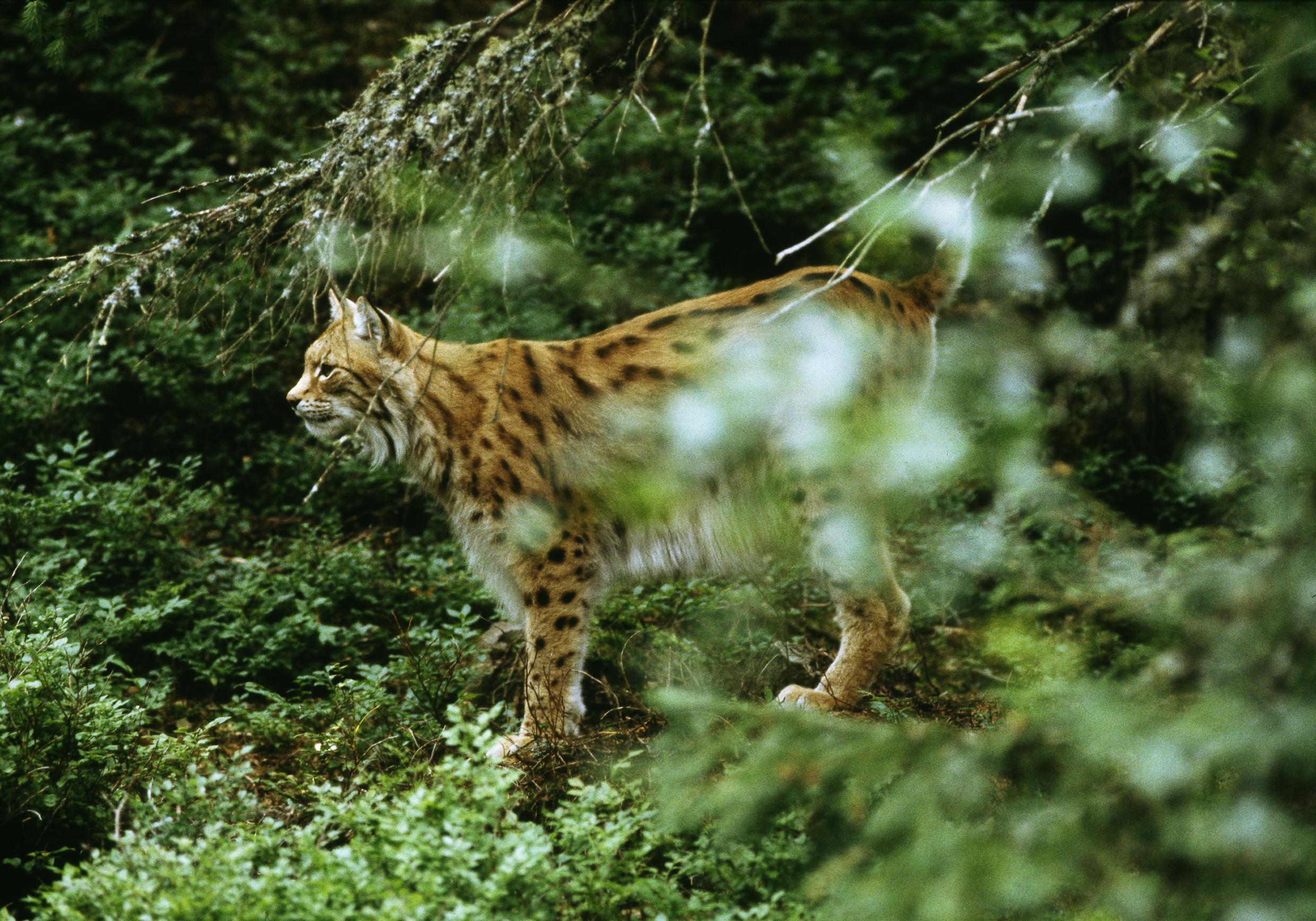
Lynx

Lynx

Photo: Håkan Vargas S/imagebank.sweden.se

Brown bear

Brown bear

Photo: Håkan Vargas S/imagebank.sweden.se

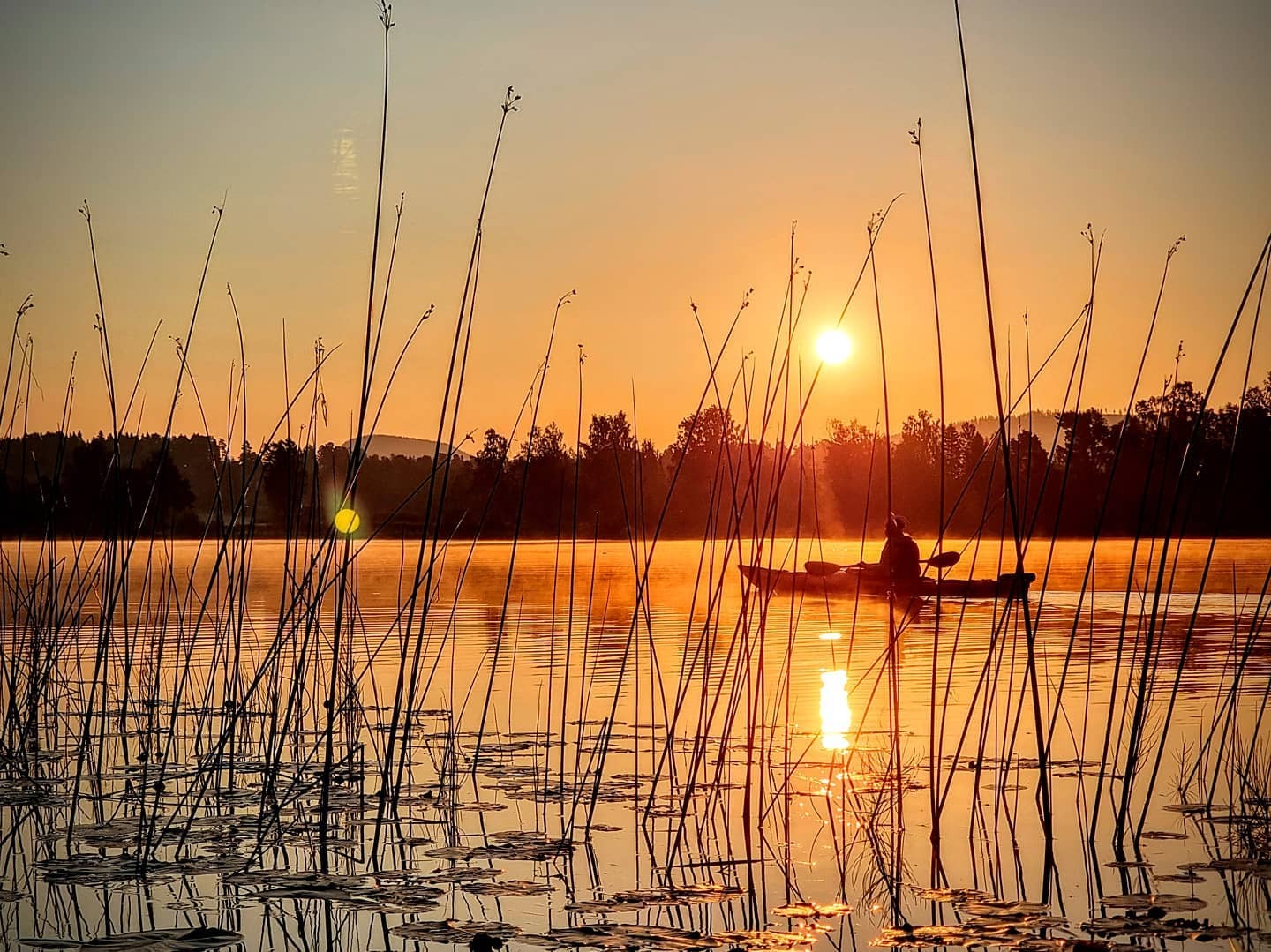
Person kayaking on a calm lake in Hälsingland, surrounded by reeds and warm light from the low sun.

Naturen kallar

Photo: Järvsö

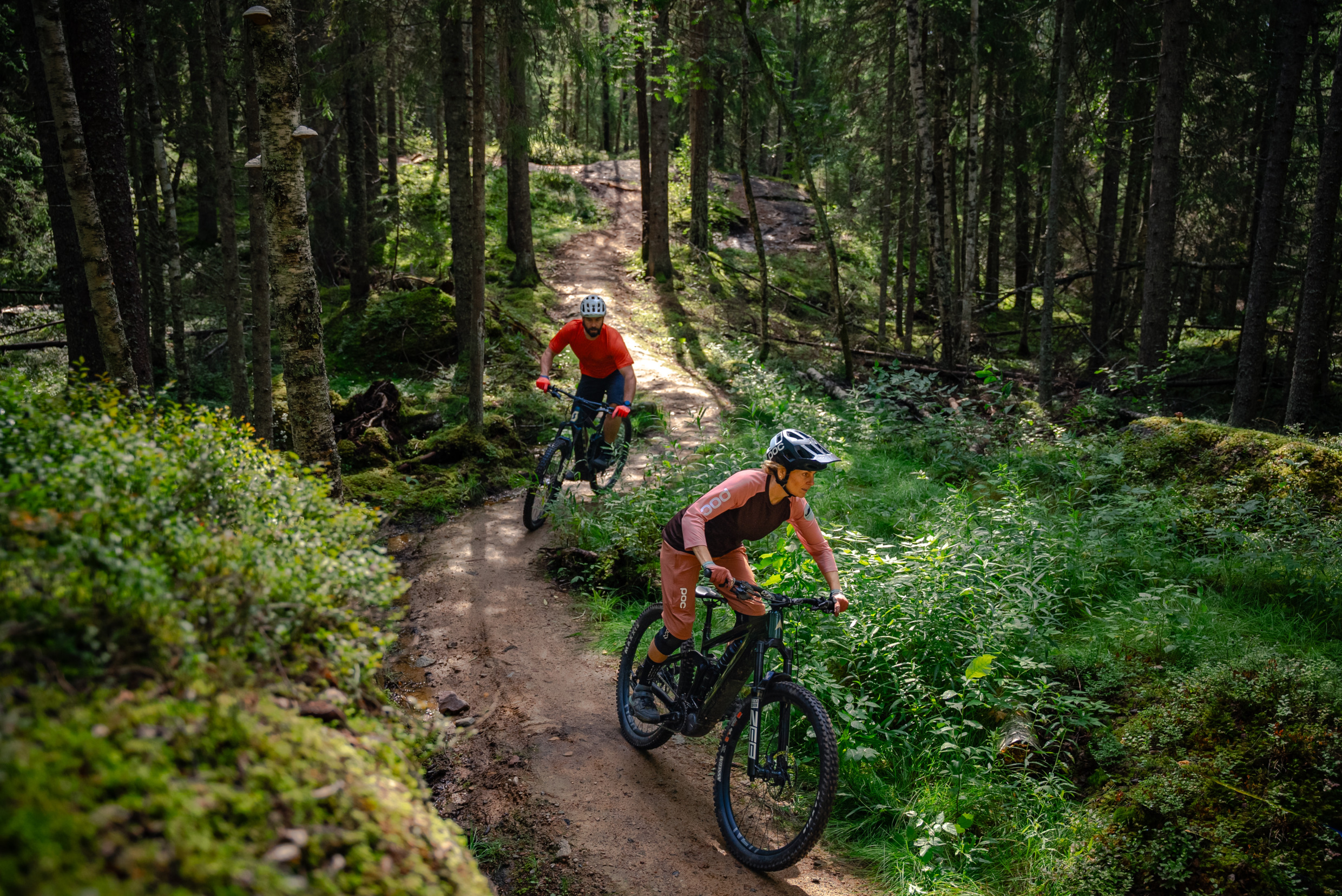
Two cyclists riding on a narrow forest trail in Järvsö, surrounded by moss-covered ground and tall trees in summer light.

Cycling in Järvsö

Photo: Järvsö

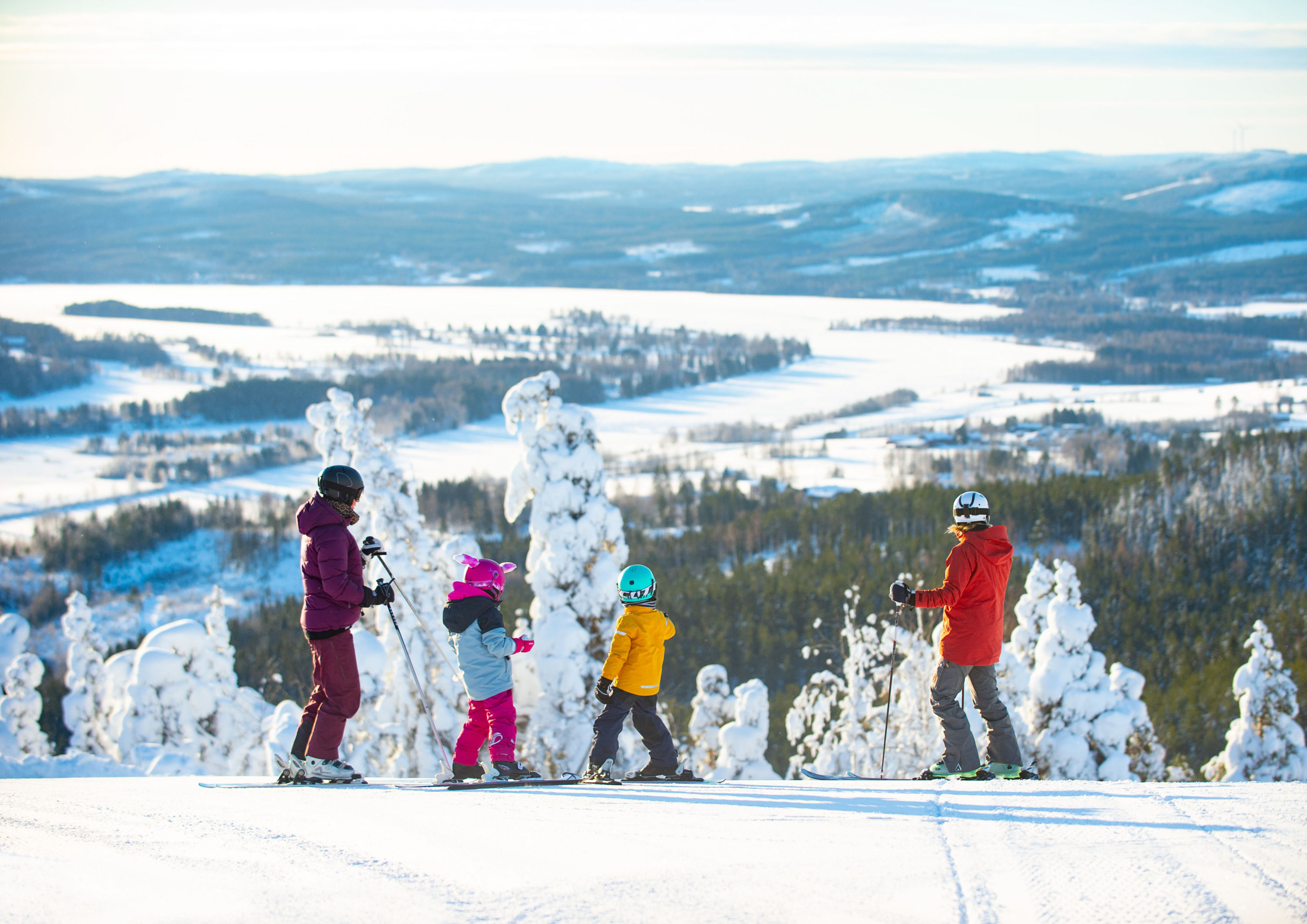
Two children and two adults dressed in skiing clothes stand on their skis at the top of a ski slope. In the background are snow-covered trees and mountains.

Järvsöbacken, Järvsö

Photo: Fredrik Fransson

Nature adventures across the seasons

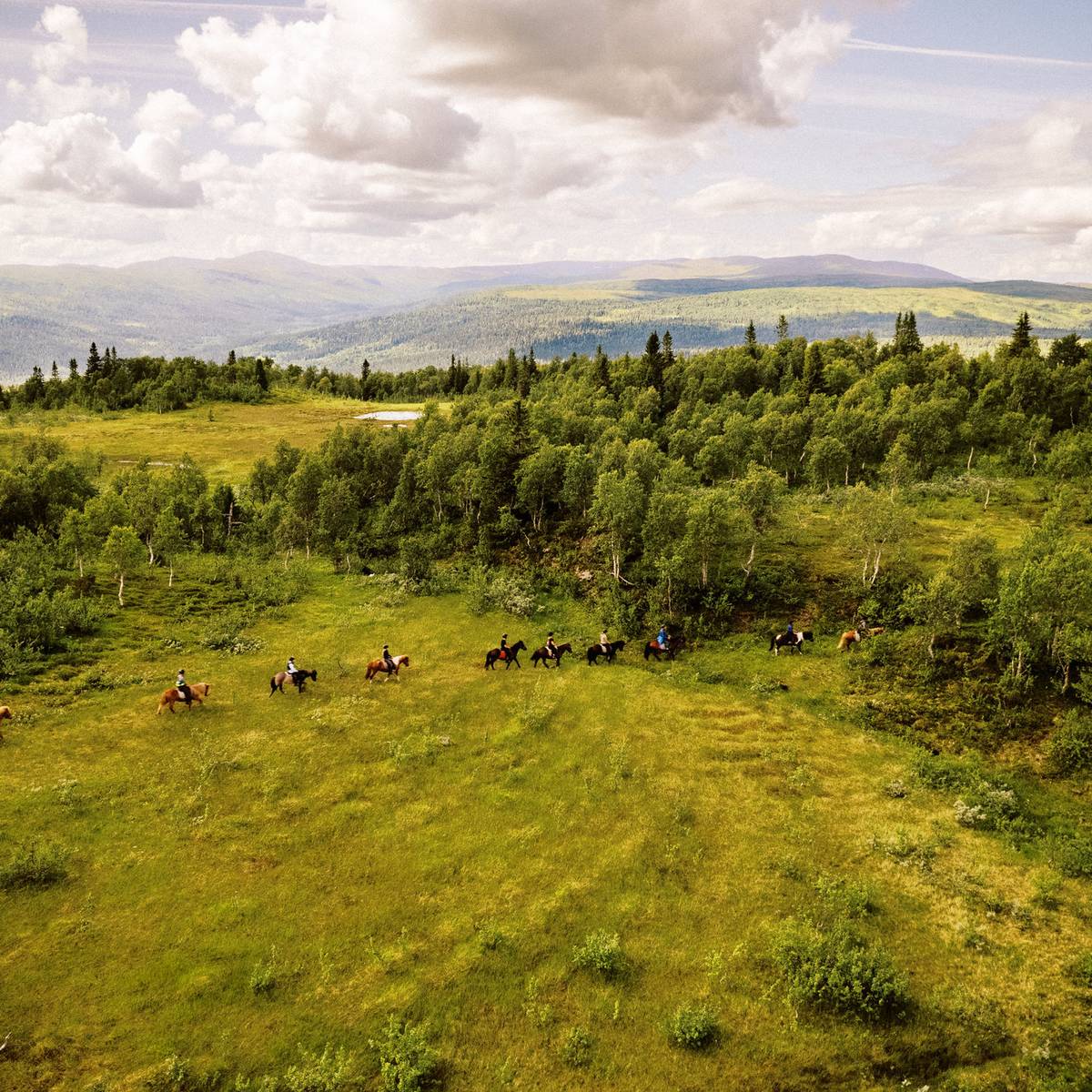
Hälsingland is a year-round destination, offering outdoor experiences for every season. The region’s diverse landscapes range from deep forests and glistening lakes to rugged mountains and coastal archipelagos. It’s ideal for hiking, cycling, paddling and fishing – or, in winter, for cross-country skiing, downhill runs and snowshoe hikes. Whatever the season, nature sets the scene for active discovery.

Wildlife is never far away in Sweden’s most forested region. The deep woods are home to moose, lynx, wolves and bears, though sightings are rare. For a safe and thrilling way to see these elusive animals, join a guided tour with Wildlife Sweden, or visit Vildriket park in Järvsö.

Looking for a different kind of winter adventure? Try dog sledding with Sweden Husky Tours or Adventure Husky, where friendly huskies lead you through Hälsingland’s snow-covered landscapes.

Anglers can cast their lines in rivers and lakes rich in fish, including trout, grayling and pike. Paddlers will love River Voxnan’s 250-kilometre-long canoe routes, winding through tranquil nature with plenty of scenic stops.

Adrenaline-seekers should head to Järvsö Bergscykel Park, voted Sweden’s best mountain bike park, with trails for all levels. And when the snow falls, Järvsöbacken transforms into a family-friendly ski resort with 23 slopes and dedicated kids’ areas.

Bergaliv loft house

Bergaliv loft house

Bergaliv Loft House is a getaway on the hillside of Åsberget mountain in the north of Sweden.

Photo: Martin Edström/Visit Sweden

Taste Hälsingland – where nature is the main ingredient

In Hälsingland, food is closely tied to nature, tradition and the seasons. Local specialities include ‘Hälsingeostkaka’, a gently sweet, curd-based cake best enjoyed with cream and cloudberry jam – try it at Ystegårn Café & Bistro or Café Agnes on the Ol-Anders farm. Another classic is ‘kolbulle’, a rustic bacon pancake often cooked over open fires at summer events across the region – affectionately known as Hälsingland’s “national dish”.

For a taste of the region’s culinary heritage, visit Växbo Krog, where seasonal menus are built around locally sourced ingredients. In Bollnäs, Lilla k’s Trädgårdskök serves creative, garden-inspired dishes with a mix of Swedish and international influences. Järvsö Lanthandel brings traditional flavours into a contemporary context, combining a farm shop and restaurant with a strong focus on sustainability and quality.

Design meets dining at Månses Design near Söderhamn, where elegantly plated meals are served on crockery you can also bring home. And along the northern coast of Hälsingland, old fishing villages with weathered boathouses and sea views are home to some excellent seaside restaurants.

To pair with your meal, sample local brews from Stormare Bryggeri, co-founded by actor Peter Stormare, or try handcrafted spirits from Tevsjö Destilleri, made using regional grains and traditions.

However you choose to eat your way through Hälsingland, the landscape is never just a backdrop. It’s part of the flavour.

PRACTICAL INFORMATION BEFORE YOUR TRIP TO HÄLSINGLAND

1 / 2

Bergaliv

Bergaliv Loft House is een getaway op de berg Åsberget in het noorden van Zweden.

Photo: Martin Edström/Visit Sweden

/ 2
Bergaliv

Bergaliv

Photo: Martin Edström/Visit Sweden

Two people relaxing in the outdoor pool at Orbaden Spa & Resort in Hälsingland, watching the snow coated water view.

Orbaden Spa Resort

Photo: Katarina Hansson/Orbaden Spa & Resort