Two men are jumping off a jetty into a lake.
Autumn swim
Reconnecting with nature in one of Sweden's 100,000 lakes and numerous archipelagos.
Photo credit: Maskot/Folio/imagebank.sweden.se

12 ways to travel with less impact

Travel choices with lower environmental impact isn’t just about flying or not. It involves many choices along the journey – from your destination and how long you stay to where and what you shop, eat and stay. By asking questions and making informed choices, you can make a difference.

Before you go

Travelling with less impact is all about making informed choices. Choose your destination and what time to travel carefully from an environmental, social and economic perspective. Plan your trip well in advance to be able to reduce your carbon footprint.

Tip: Travel & Climate is a Swedish platform that makes it easier for consumers to choose low-emission transit options by calculating trip footprints. It was initiated by a network affiliated with the Centre for Tourism at the University of Gothenburg.

1 / 3

Swedish archipelago life

Sweden was ranked highest for environmental and social indicators in Euromonitor International’s Sustainable Travel Index 2023.

Photo: Tina Axelsson/imagebank.sweden.se

/ 3
A woman is sitting with a cup of coffee on a cliff by the water in the archipelago.

Swedish archipelago life

Photo: Tina Axelsson/imagebank.sweden.se

Red cottages and the white church tower in Gammelstad church town during winter.

Gammelstad Church Town, Luleå

Photo: Peter Rosén/Lappland Media AB

An aerial view of a train passing through a forest landscape with lakes in autumn.

Sweden's railway system

Photo: Jann Lipka/imagebank.sweden.se

Why Sweden

Sweden is not only known for its accessible natural wonders, well-preserved UNESCO World Heritage Sites and progressive lifestyle. Besides ranking high on international environmental indices, Sweden…

  • …is a democracy with the right of freedom of expression and information, freedom of demonstration and freedom of assembly, which are central to democracy.
  • …is firm on laws to prevent ill health and accidents at work to create a good working environment and favourable conditions in most companies in the hospitality industry.
  • …has also been ranked one of the top countries in the Global Sustainable Competitiveness Index since 2016.

Lower-emission travel to Sweden

Travellers from Europe can advantageously choose to travel to Sweden by train, rent an electric car or book a bus trip operating on fossil-free fuels.

For long-distance visitors, flying may be the only option. If you travel by air, use the acronym NERD (New, Economy, Regular, Direct) to guide you in your choice of flight. Newer, more energy-efficient aircraft and non-stop flights minimise your carbon footprint, as well as travelling in economy and packing light.

Some airlines allow travellers to pay extra to support the use of Sustainable Aviation Fuel (SAF). SAF is a renewable alternative to conventional jet fuel and can help reduce aviation’s reliance on fossil fuels.

Tip: Fly Green Fund is a Swedish non-profit organisation that helps you reduce your carbon emissions by replacing fossil jet fuel with sustainable aviation fuels.

Winter cabin

Winter cabin

Take a workation in a cabin outside Kiruna in the north of Sweden. The Northern Lights and star-filled clear skies help set the mood.

Photo: Asaf Kliger/imagebank.sweden.se

Take your time

This applies in particular to travellers arriving by air. Avoid multiple short trips to various places and opt to discover more in the local area of your chosen destination. Why not stay for a workcation or take the opportunity to visit another Nordic country? Just imagine having the Northern Lights as your office view or, for any night owls, to work in the light of the Midnight Sun for a month or two…

When to travel

There are several benefits of travelling during the low season. By avoiding destinations during high season, you won’t contribute to mass tourism. You’ll help local companies to stay open all year round, which is socially and economically sustainable. An additional bonus for you will be that the prices are generally lower, and you’ll get to enjoy your destination without the crowds.

Example: Instead of visiting the west coast during the busy summer months, come in autumn and experience the lobster season. Or skip the ski resorts during the Christmas peak and throw yourself down the slopes on a downhill mountain bike during summer.

1 / 3

Lower-impact stays in Sweden

Accommodations in Sweden frequently hold third-party environmental certifications. Bergaliv Loft House on Åsberget mountain is built with sustainable timber and certified by Nature's Best Sweden for low-impact nature tourism.

Photo: Martin Edström/imagebank.sweden.se

/ 3
Silhouette of a man reading a book against a large window looking out over the blue sky and the mountains above in Hälsingland.

Lower-impact stays in Sweden

Photo: Martin Edström/imagebank.sweden.se

Benches covered in reindeer hides next to a table set with cups. A coffee pot is placed over a campfire. A lavvu tent in the background.

Sápmi Nature Camp, Arctic Sweden

Photo: Lennart Pittja/Sápmi Nature/imagebank.sweden.se

Naturbyn, Värmland

Naturbyn, Värmland

Photo: Martin Edström/imagebank.sweden.se

Certified and lower-impact accommodations

Sweden generally has very good working conditions. And for those longing for unique accommodations close to nature, you’ve come to the right place. The Swedish forests are scattered with small-scale accommodations that blend in with the natural surroundings.

Sweden does not have a national labelling program regarding sustainability in the hospitality industry. Instead, there are many third-party certified standards for hotels, including ISO, Green Key, Nordic Swan Ecolabel and Krav.

Major Swedish hotel chains also back up their environmental and social policies with independent certifications:

  • Scandic Hotels: All Swedish properties carry the third-party audited Nordic Swan Ecolabel.
  • Strawberry (formerly Nordic Choice Hotels): Almost all hotels are certified with the Nordic Swan Ecolabel.
  • Elite Hotels: Certified by Green Key, an independent eco-label, covering areas from energy and water use to consumables.
1 / 2

Siberian Huskies in the woods

Jokkmokkguiderna offers dog sledding adventures in Arctic Sweden certified by Nature's Best Sweden, an independently audited quality label for nature tourism.

Photo: Anna Öhlund/imagebank.sweden.se

/ 2
Siberian Huskies in the woods

Siberian Huskies in the woods

Photo: Anna Öhlund/imagebank.sweden.se

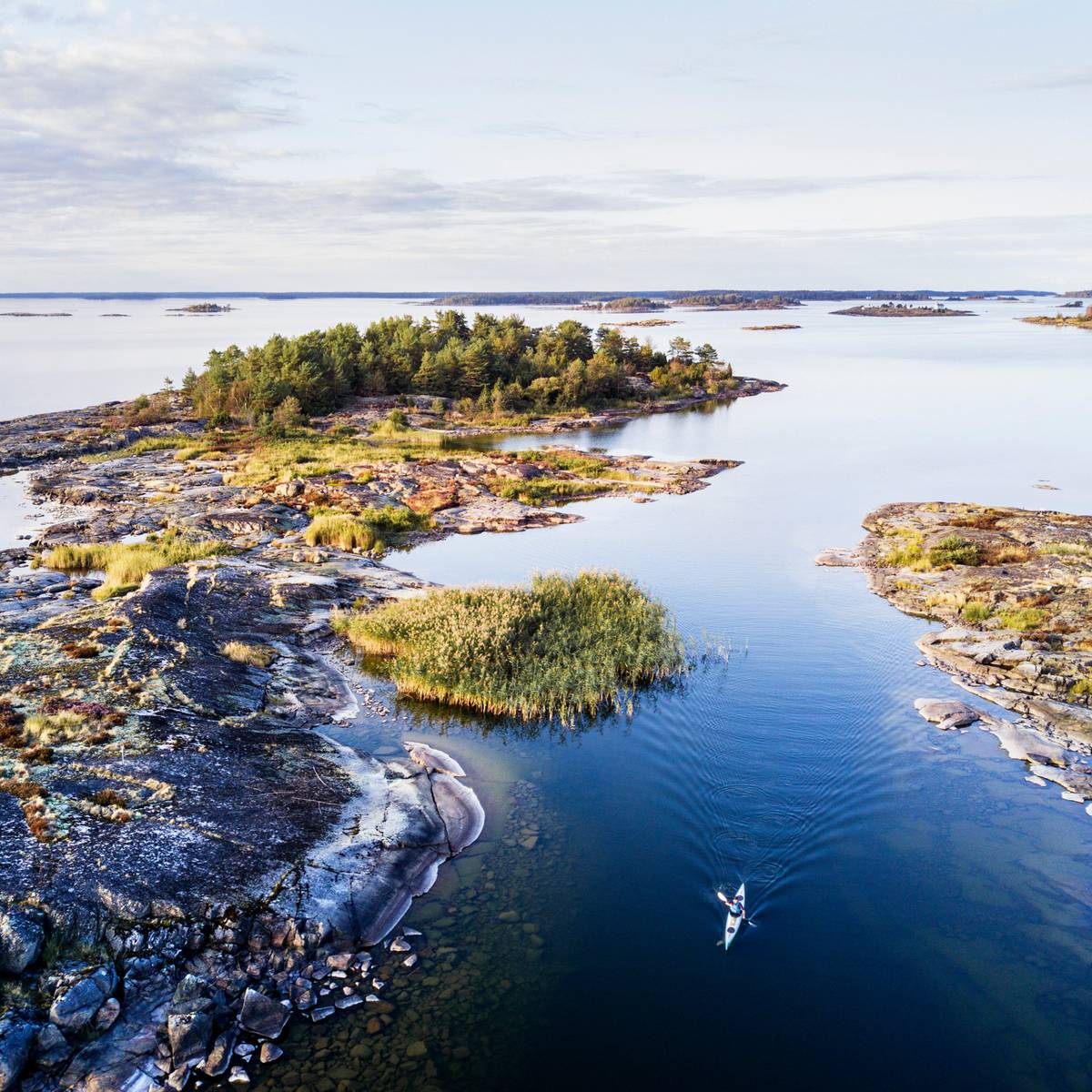
Three persons kayaking between islets in the archipelago.

Kayaking

Photo: Anna Hållams/imagebank.sweden.se

Lower-impact activities and local tourism initiatives

To get the most out of your holiday with the least possible impact, turn to local operators and guides. Not only will you support the local economy and employment, but you’ll also get those expert tips and hidden gems that will make your trip memorable.

Different labels and initiatives gather companies with specific environmental and social standards. Here are a few:

  • Nature’s Best is Sweden’s independently audited quality label for nature-based experiences. It relies on six ecotourism principles and gathers everything from accommodation and Sámi experiences to dog sledding and archipelago cruises – in total about 35 companies all over the country.
  • Responsible Tourism Västerbotten is a regional initiative where companies in Västerbotten county work together for more sustainable experiences. It’s based on sustainability criteria set by GSTC and gathers more than 80 companies within accommodation, nature, culture and food.
  • ‘Hållbarhetsklivet’ (Stepping up Sustainability) is a joint regional project for tourism in West Sweden. It gathers some 60 companies in Gothenburg city and the provinces of Bohuslän, Dalsland and Västergötland.
  • Sustainable Plejs is an EU-funded initiative from Sweden’s largest island, Gotland. It gathers local hotels and restaurants to focus on local produce and year-round employment.

Did you know? The vital Swedish startup scene has gained considerable international attention. Still, Sweden has a long history of innovation and is ranked as the second most innovative country in the world, according to the Global Innovation Index 2025. One extraordinary Swedish tech innovation is the water-saving shower Orbital, which recirculates and purifies water, installed at several hotels in Sweden, including Treehotel.

1 / 2

Restaurant at Furillen, Gotland

Food waste is a significant challenge and you as a restaurant guest can make a difference through small means.

Photo: Tina Axelsson/imagebank.sweden.se

/ 2
A buffet in front of a large window at a restaurant. Three persons pick food from the buffet.

Restaurant at Furillen, Gotland

Photo: Tina Axelsson/imagebank.sweden.se

Drinking water in nature

Drinking water in nature

Photo: Moa Karlberg/imagebank.sweden.se

Eat and drink with lower environmental impact

Besides the high climate impact of meat, food waste is a significant challenge in the hospitality industry. Many Swedish restaurants are engaged in reducing them and improving their sustainability practices. As a restaurant guest, you can make a difference through small means, too.

  • At buffets, choose more vegetables and don’t take more food than you can eat.
  • Choose local and seasonal food. Not only will you get fresher produce and learn about the destination’s culinary heritage – you’ll also leave a positive impact on both the environment and the local economy.
  • If you’ve booked a table and can’t come, cancel the booking in good time so the restaurant can adapt.

Did you know? Swedish tap water is of high quality and perfectly safe to drink. In fact, Sweden is consistently ranked as one of the top countries in the world with the best drinking water. Drinking water straight from the tap is the norm, even at restaurants. So, there is no need to buy water in single-use plastic bottles.

1 / 2

Polkagrisar candy canes

'Polkagrisar' are a typical Swedish sweet made in Gränna, Småland.

Photo: Tina Stafrén/imagebank.sweden.se

/ 2
Polkagrisar candy canes

Polkagrisar candy canes

Photo: Tina Stafrén/imagebank.sweden.se

Close-up on corn-cob and a variety of pepper in a farm shop. Three persons is seen blurry in the background.

Organic farm shop

Photo: Tina Axelsson/imagebank.sweden.se

Shop circular and local

While shopping and consuming inherently use resources, many visitors want to buy souvenirs to take home with them. Then, some choices have lower impact than others. First, avoid mass-produced items made on the other side of the world. Buy products made in Sweden that have been manufactured using durable, locally sourced materials.

Sweden is scattered with farm shops selling local and small-scale produce. A day trip in the countryside is an experience in itself. And while shopping for typical Swedish food products such as flatbread, lingonberry jam, Kalix Caviar, candy canes (‘polkagrisar’) and dried reindeer meat, you can take the opportunity to enjoy a classic Swedish ‘fika’.

Swedish fashion often focuses on timelessness and longevity. Go for a design object that is functional and high quality, made to be used over and over. Or select a garment that symbolises minimalist and durable design. And, not to forget: Swedes actively engage in reuse and circular economy, which means there are many high-quality vintage and second-hand shops in the cities selling pre-loved clothes and furnishing.

1 / 2

Biking in Stockholm

Swedish cities are designed for walking and biking. The lush island of Djurgården is one of Stockholm's main attractions for leisure and recreation.

Photo: Tina Axelsson/imagebank.sweden.se

/ 2
A woman is biking along a canal at the park Djurgården. There are trees and a meadow along the road.

Biking in Stockholm

Photo: Tina Axelsson/imagebank.sweden.se

A woman is looking out of the window on a train that are passing another train.

Travel by train in Sweden

Photo: Tina Axelsson/imagebank.sweden.se

Low-emission travel options within the country

Walk and cycle whenever possible. Swedish cities are designed for pedestrians and cyclists. Streets have pavements and cycle paths, and cycle racks are on almost every corner.

Use public transportation. Sweden has an extensive public transport system with subway, tram and bus, and you can usually pay with your card.

If you need a taxi or rental car, choose an electric vehicle if possible. Taxi Stockholm, the largest taxi company in Stockholm, is ISO 9001 and ISO 14001 certified and and has a targeted objective to transition to an emission-free fleet by 2030, supported by a structured corporate strategy. Taxi Kurir, which operates in several Swedish cities, is also ISO 9001 and ISO 14001 certified and is transitioning to a fossil-free vehicle fleet.

Train journeys in Sweden are among the lowest-emitting travel options in Europe. Sweden’s largest railway company, SJ, operates 100% on renewable energy sources (hydro and wind energy). Beautiful views are a bonus!

For years, Swedish domestic aviation has allowed travellers to fly using a proportion of sustainably produced biofuel– a form of SAF.

If you can’t find info about environmental practices…. Ask!

Good working conditions and organic produce are widespread in Sweden, but not all local producers have the financial resources for third-party certifications. Communication and asking questions can contribute to raising awareness and driving development among smaller businesses.

Picking blueberries

Picking blueberries

Blueberry picking in Heråmaden nature reserve. Thanks to Sweden's Right of Public Access, everyone can enjoy Sweden’s outdoors, including picking mushrooms, herbs and berries.

Photo: Moa Karlberg/imagebank.sweden.se

Leave without a trace

Everyone is free to roam the Swedish nature thanks to the Right of Public Access (‘Allemansrätten’). The guiding principle for this unique right – which lets you camp in forests, swim in lakes and pick as many berries as you can carry – is “don’t disturb and don’t destroy”.

Recycling is natural to Swedes; you will see trash bins with different containers for plastic, paper, glass, metal, food waste, etc., wherever you go.

…or support biodiversity through your presence

At some destinations, managed visitor access plays a role in local wildlife protection. One example is Stora Karlsö, an island outside Gotland. The island holdsa Nature’s Best certification and is the second oldest conservation area in the world, widely known for its abundant bird life.

Stora Karlsö is a vital site for the endangered Baltic Sea guillemots, which nest on the steep cliffs. During the coronavirus pandemic, when the island was closed to visitors, large groups of sea eagles arrived instead and frightened and disturbed the guillemots to the extent that the number of hatchlings decreased by at least 25 per cent. Scientists monitored the situation and found that the visitors to Stora Karlsö acted like “seabird guardians”, according to an article in Biological Conservation. The conclusion was that, in specific monitored cases, regulated human presence can help protect sensitive animal populations from natural predators.

The choices you make when travelling can create lasting value – both for yourself and for the places you visit.