A coastline during summer.
Högklint, Gotland
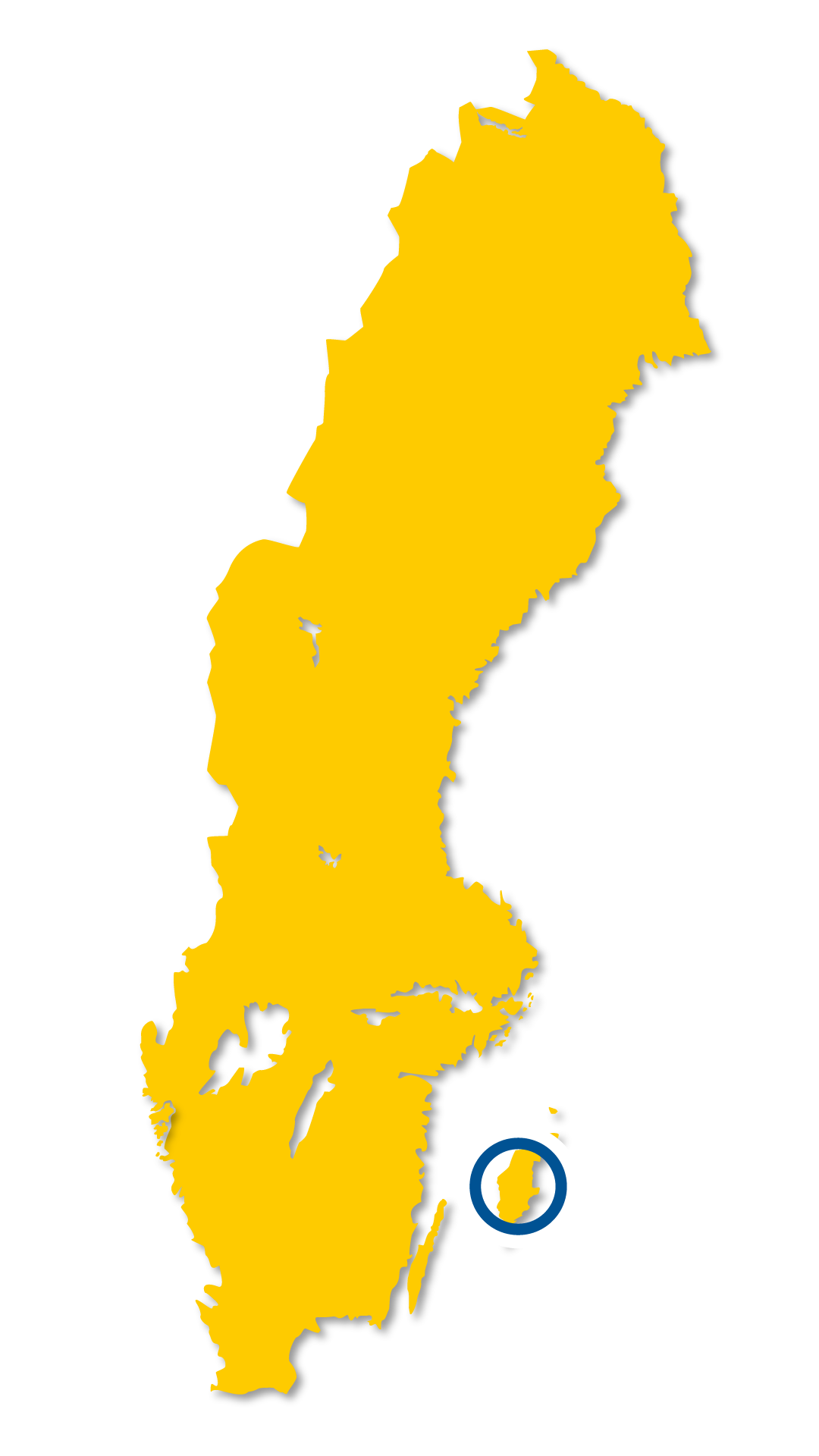
Hike along the coast and experience the beautiful nature of Gotland.
Photo credit: Patrick Hansson/Destination Gotland

Gotland – where Viking-era history meets unique natural scenery

Gotland is a paradise island with characterful nature and a coastline punctuated by sandy beaches and sculptural sea stacks. Historically significant, its main town, Visby, is a Viking-era treasure and a UNESCO World Heritage Site.

Anyone who’s set foot on Gotland would agree that there’s something magical about it. This unique island off the south-east coast of Sweden has it all – natural scenery, remarkable history and distinctive local flavours.

Wander around the cobbled streets of Visby, the main town on the island’s east coast, and it feels as though you’ve been transported back to medieval times. The quaint residential streets, lined with idyllic cottages and an abundance of sweet-smelling roses, contribute to the town’s unique charm. However, there’s much to discover beyond the town’s borders.

Known as a foodie hotspot, Gotland benefits from the wonderful local produce available on the island – not least freshly caught seafood – and it also boasts a significant craft brewery scene.

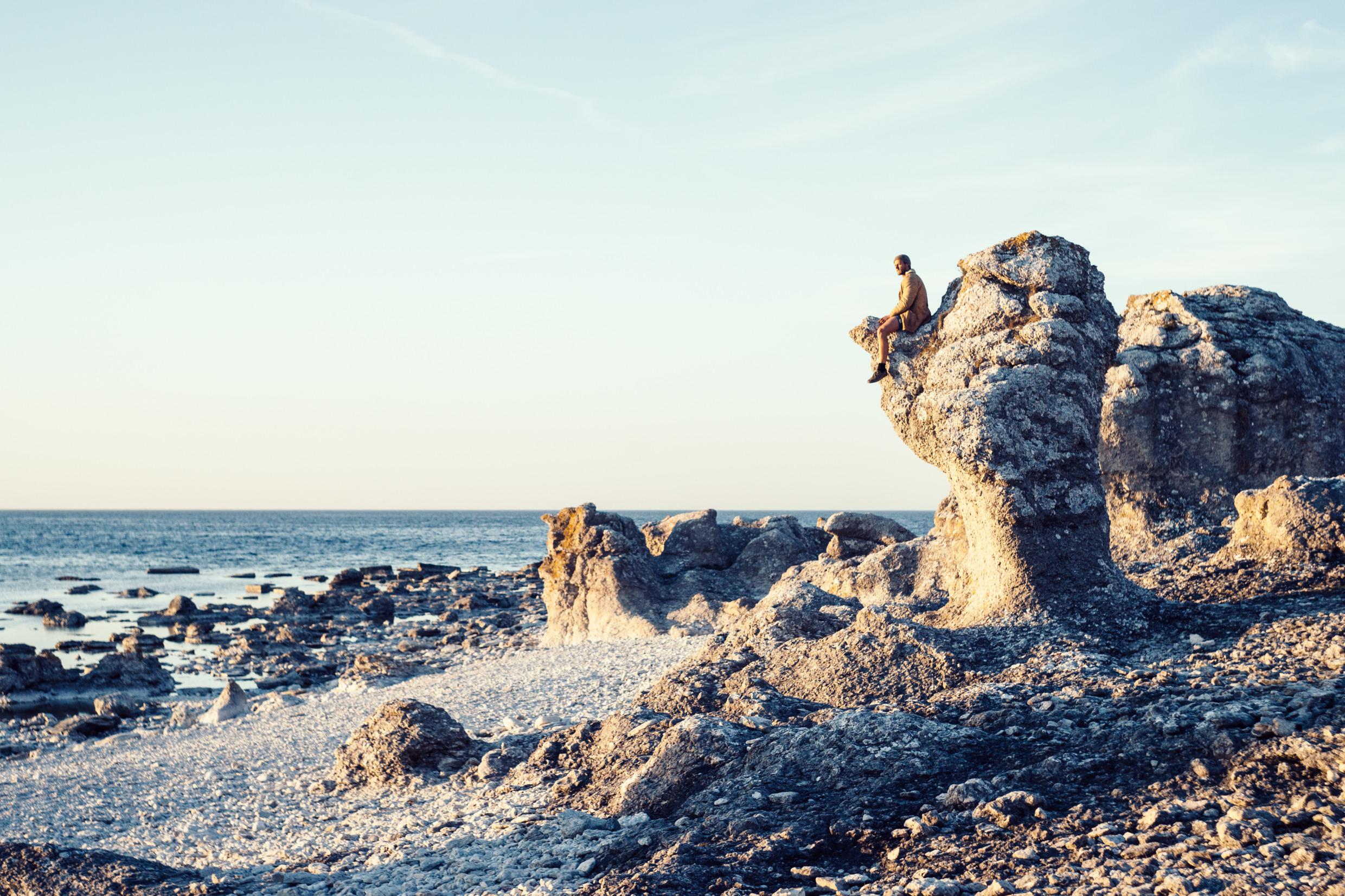
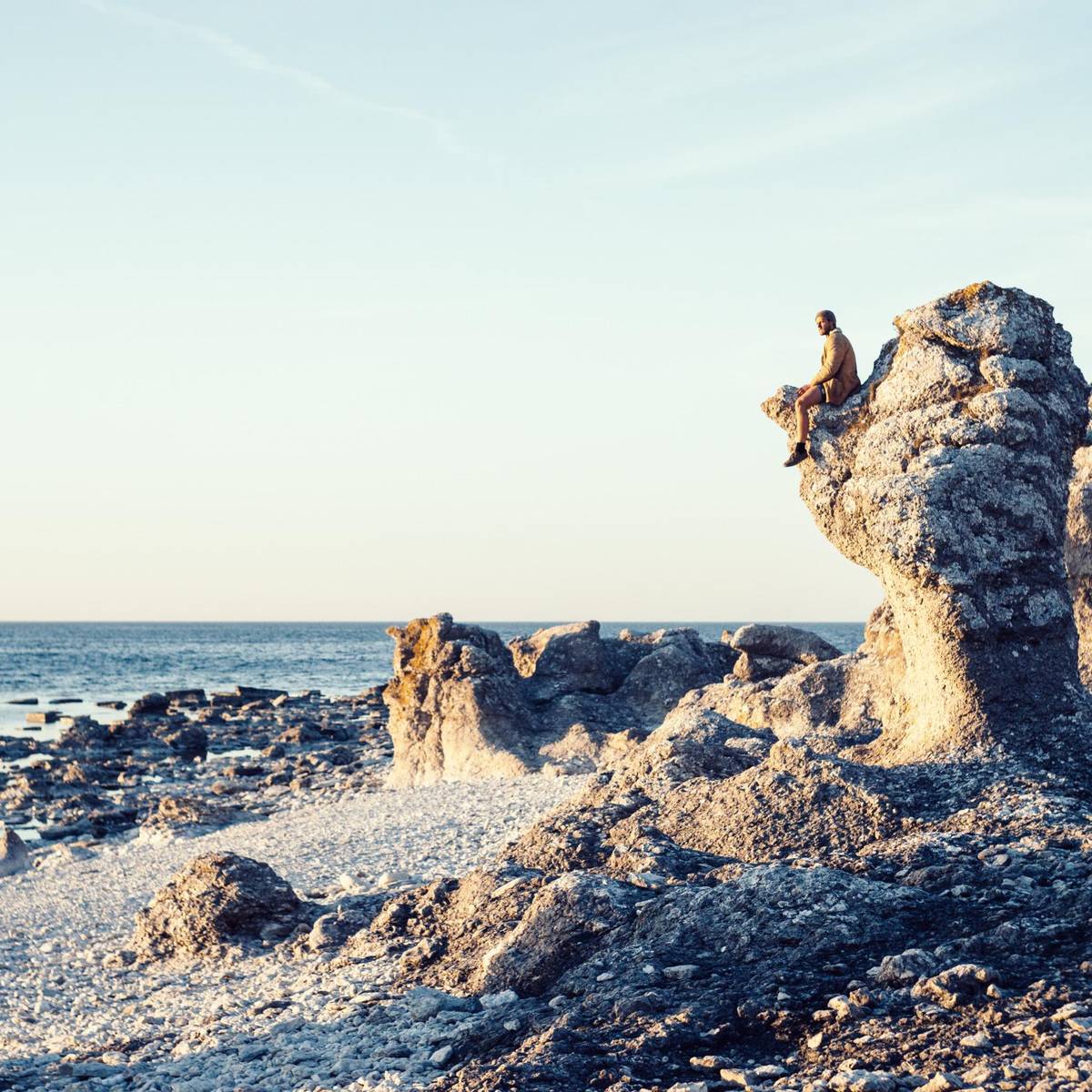
It’s well worth a visit at any time of year – each season has its unique charm – but the island truly comes alive in summer, when temperatures hover around 20°C and the waters are at their most inviting. Even if swimming isn’t on the agenda, Gotland’s distinctive coastline has much to offer. The sea stacks, or ‘raukar’ as they’re called in Swedish, found along the rocky east coast, are an almost otherworldly sight.

1 / 4

Fiskargränd, Visby

The picturesque alley of Fiskargränd is one of the most photographed streets of Visby.

Photo: Tina Axelsson/imagebank.sweden.se

/ 4
Fiskargränd, Visby

Fiskargränd, Visby

Photo: Tina Axelsson/imagebank.sweden.se

The Visby City Wall

The Visby City Wall

Photo: Emelie Asplund/imagebank.sweden.se

Inside a church ruin with high vaults without a ceiling.

St Karin church ruin, Gotland

Photo: Sofia Cassis/Region Gotland

An exhibition room at the Gotland Museum, filled with rune stones.

The Gotland Museum

Photo: Gotlands Museum

Discover Gotland’s cultural heritage

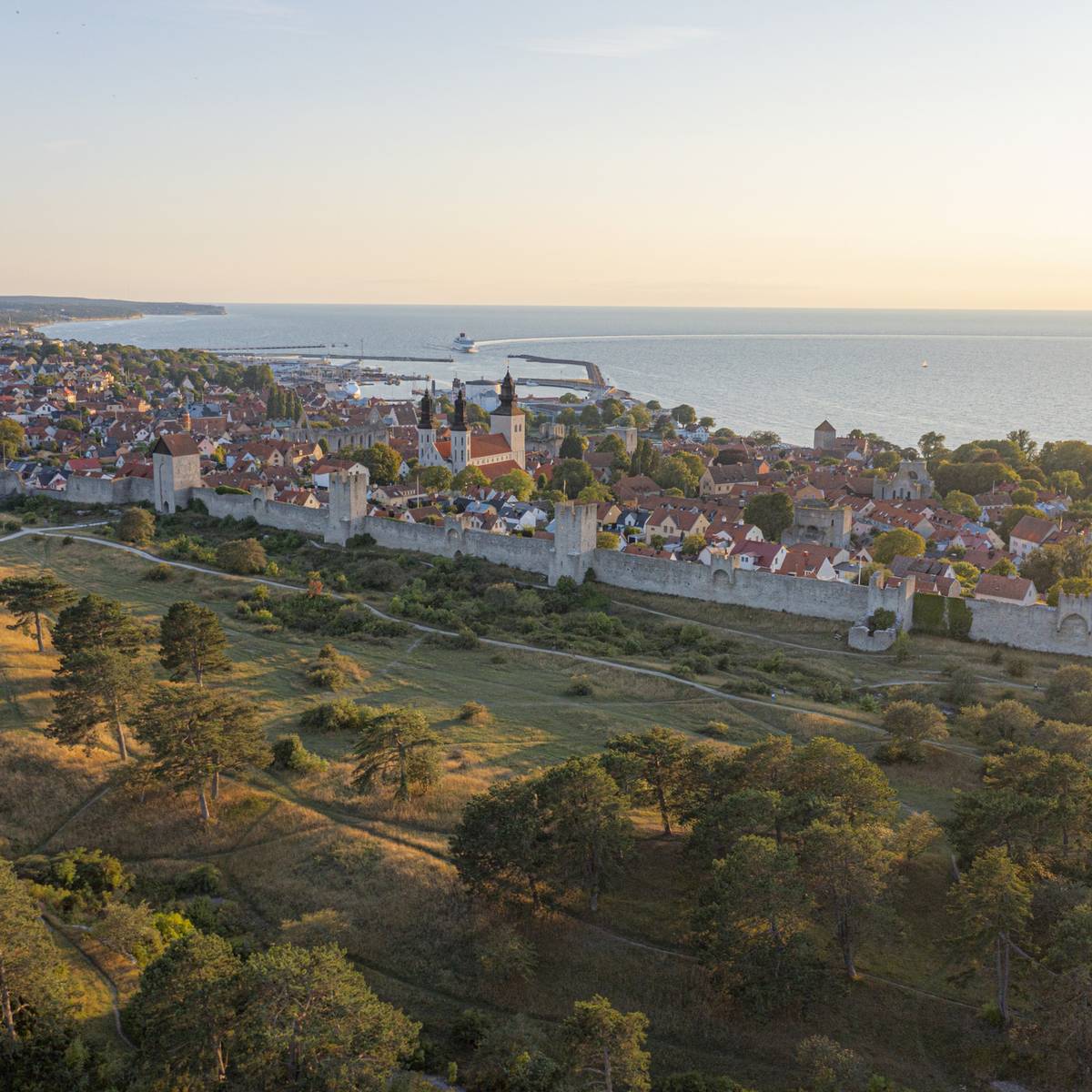
In 1995, Visby was added to UNESCO's World Heritage List, and for good reason – it is the best-preserved fortified trading town in northern Europe. Between the 12th and 14th centuries, it was the main centre of the Hanseatic League in the Baltic.

Visby’s historic townscape features a wealth of significant buildings and structures dating back to the 13th century. Encircling the centuries-old centre, the Visby City Wall – complete with towers and gates – was built between 1250 and 1288 and stretches for 3.5 kilometres.

Visit our Visby destination page for more travel tips.

For Viking enthusiasts, Gotland offers something special. The island is dotted with burial grounds from the Viking Age, including a 15-hectare site in Stenkyrka with around 1,000 graves. At Gotland Museum’s Fornsalen in Visby, you can see Viking Age silver hoards, while at Stavgard Vikingagård, a reconstructed Viking village, you can experience a day in the life of a Viking.

As you travel across the island, you’ll most likely come across handwritten signs along the roadside reading “Loppis”. Gotland is full of flea markets and, for the bargain hunters, there are plenty of opportunities to browse for pre-loved furniture, clothing and trinkets.

Autumn on Fårö
Autumn on Fårö
A windblown tree on the coast of Fårö, a small island just north of Gotland. Fårö is a popular tourist destination during the summer and was home to filmmaker Ingmar Bergman.
Photo: Jerker Andersson/imagebank.sweden.se

When to visit Gotland?

  • Spring: Before the crowds arrive, the flora begins to bloom. Expect yellow rapeseed fields, pink cherry blossom and lush green ivy-covered forests – Gotland in spring is a riot of colour.
  • Summer: Peak season brings many visitors and a range of major events across the island. Restaurants, hotels and small farm shops are open, and the beaches are buzzing with life.
  • Autumn: Many locals describe this as the best season. The sea is still relatively warm and the climate is mild. With the crowds gone, many restaurants and hotels remain open, particularly at weekends.
  • Winter: Visby in winter offers a completely different experience, with its Christmas markets and tranquil atmosphere. While it can be quite windy outside the city walls, Visby turns into a fairy-tale town if you’re lucky enough to visit during a snowfall.
1 / 5

Biking on Gotland

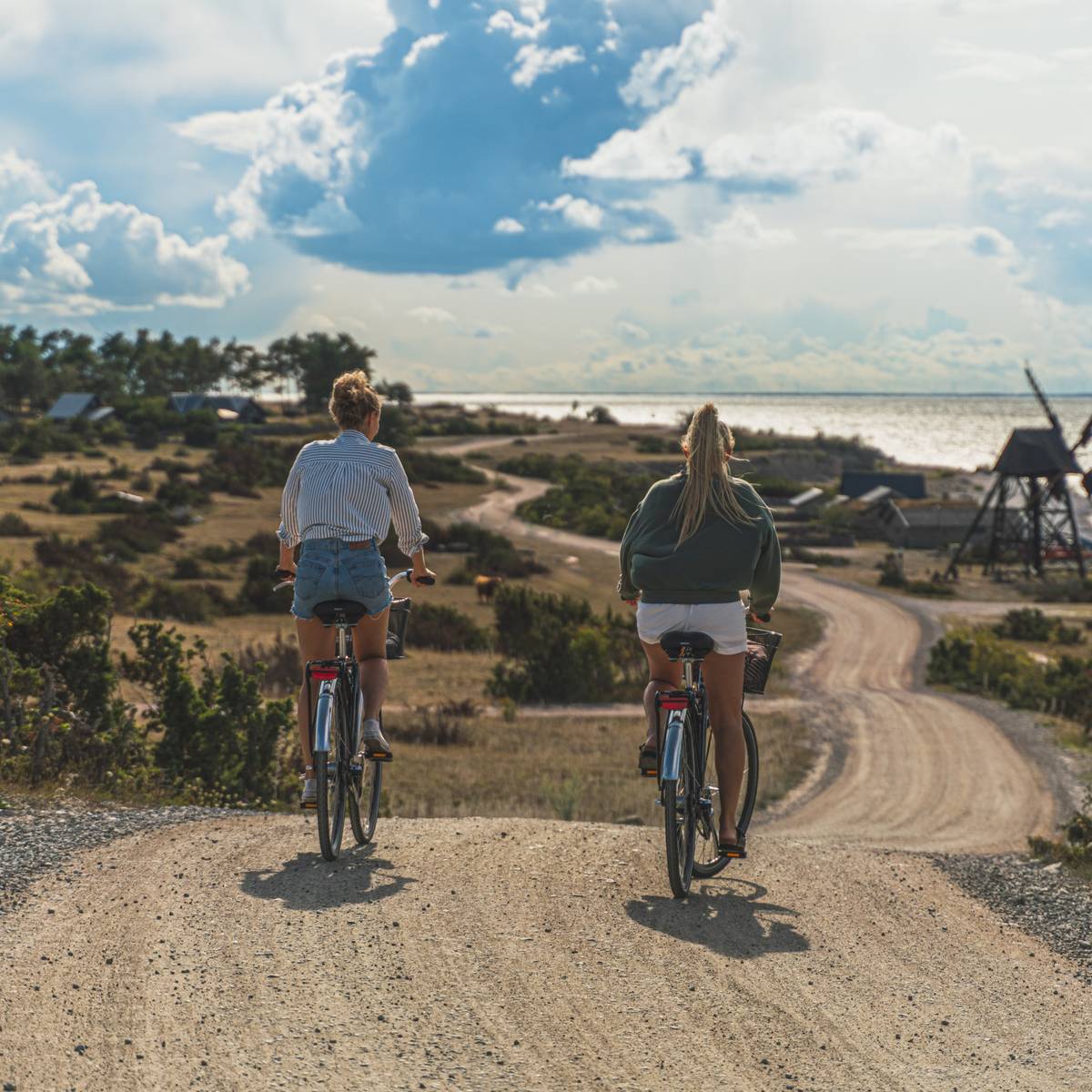
Gotland is a cyclist’s dream destination as it's mostly flat and with many dedicated cycling paths.

Photo: gotland.com

/ 5
A person is biking on a country road along the sea on Gotland. Field with yellow grass and small bushes on the sides of the road.

Biking on Gotland

Photo: gotland.com

Limestone monoliths on a rocky beach on Gotland, with a few people walking in the background.

Sea stack field, Gotland

Photo: Helena Wahlman/imagebank.sweden.se

A beach with white sand during summer.

Tofta Beach, Gotland

Photo: Sofia Cassis/Region Gotland

A rauk (limestone sea stack) with a hole in it that you can walk through.

Lergravsporten, Gotland

Photo: Sofia Cassis/Region Gotland

Two people hiking on a trail next to the coast.

Klintkustleden, Gotland

Photo: Sofia Cassis/Region Gotland

Explore the natural wonders of Gotland

Gotland boasts remarkable natural scenery and more than 100 nature reserves. Whether you’re drawn to enchanting ivy-covered forests, sandy beaches or barren sea stack fields, the island offers something for everyone.

Sea stacks, or ‘raukar’, as they’re called in Swedish, are limestone monoliths shaped by natural erosion during the last Ice Age. They are a common sight across the island and the most famous have been given names. If you’re planning a sea stack safari, be sure to tick off Lergravsporten and Hoburgsgubben, or head to Fårö, where even more impressive sea stack fields await.

As Gotland is largely flat, it is a dream destination for cyclists. The Eksta coast is a popular cycling route with much to offer. Set within an idyllic nature reserve, this coastal stretch runs along the western side of the island, from the fishing village of Djupvik to Hammarudden.

Hiking is another popular outdoor activity on Gotland. Östkustenleden is a 78-kilometre hiking trail passing through eight parishes and eight nature reserves, stretching from Anga to Närsholm. Meanwhile, the 30-kilometre Klintkustleden runs between Björkume and Hallshuk, with cliffs, wetlands and old fishing villages along the way. It’s also possible to go on a pilgrimage from Roma Kungsträdgård to Dalhem – a 7-kilometre pilgrim trail accessible year-round. Read more about outdoor activities on gotland.com.

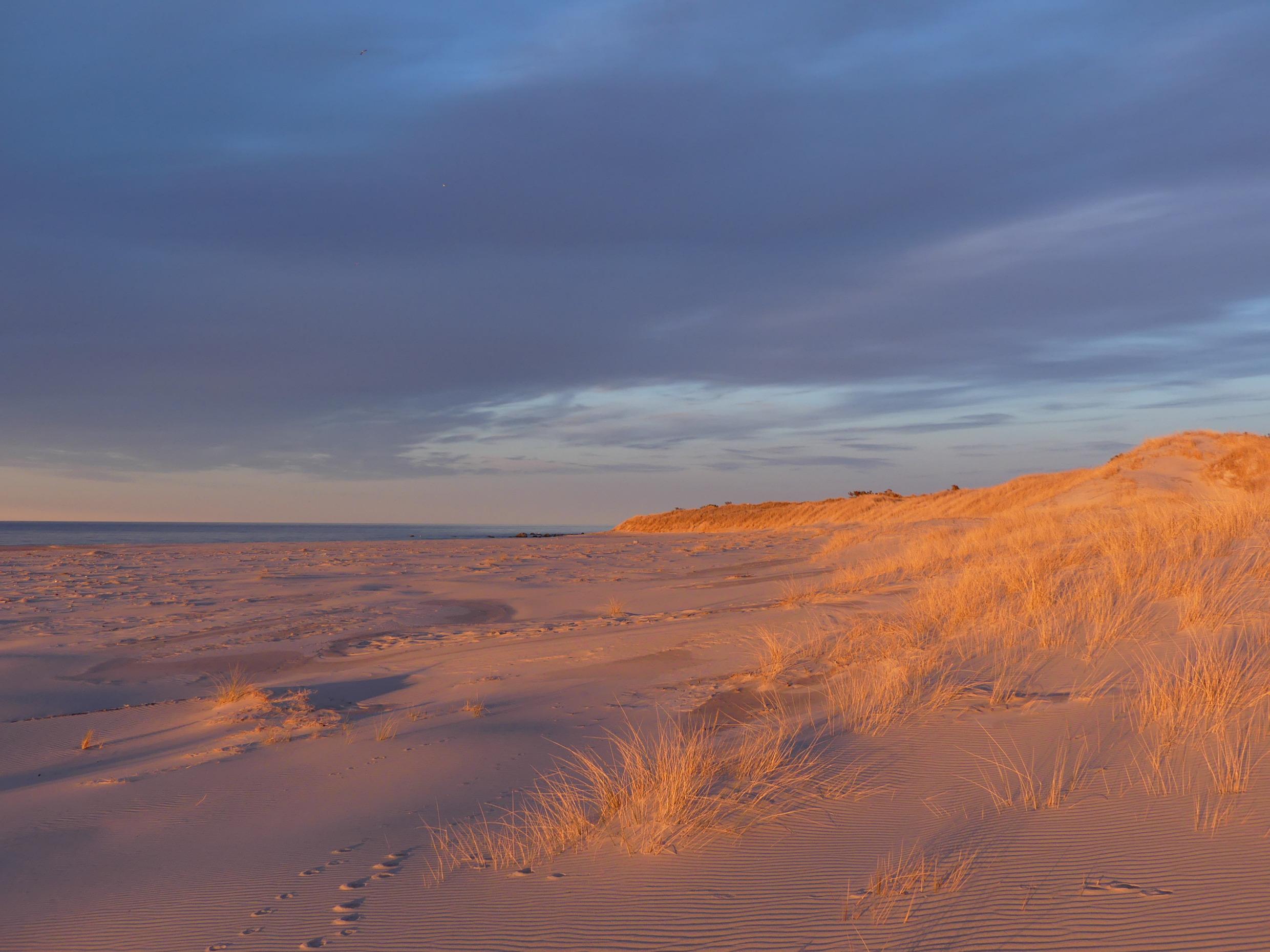
If you’re in search of a refreshing swim or a relaxing day of sunbathing, there are plenty of options – from water-filled limestone quarries and inland lakes to long sandy beaches. In general, the north-west coast is characterised by rocky beaches, while the south-east coast is known for its sandy beaches. Families with young children can choose from several shallow beaches, including Tofta, Nisseviken and Sudersand. Or follow the locals’ lead and set off on a bike ride or road trip to discover your own hidden gem.

1 / 6

Digerhuvud, Fårö

Enjoying the sea view from a beach at Digerhuvud on the island of Fårö. The island is known for its dramatic nature, with sea stacks scattered along the coast.

Photo: Lucas Günther/imagebank.sweden.se

/ 6
Digerhuvud, Fårö

Digerhuvud, Fårö

Photo: Lucas Günther/imagebank.sweden.se

Sea stack field, Fårö

Sea stack field, Fårö

Photo: Jerker Andersson/imagebank.sweden.se

A red wooden cottage next to the water during summer.

Stora Karlsö, Gotland

Photo: Stora Karlsö

Four birds are standing on a cliff next to the water.

Stora Karlsö

Photo: Stora Karlsö

A beach with sandy dunes and golden grass on the edge. The sea can be seen at the far end.

Gotska Sandön

Photo: Mattias Vejlens

A small road in a pine forest at summer time.

Pine forest, Gotska Sandön

Photo: Magnus Lepschi

3 other islands to visit when on Gotland

Fårö

No trip to Gotland is complete without a visit to Fårö. Located just north-east of the main island, you can reach this characterful destination with a free six-minute ferry ride from Fårösund. Fårö is formed entirely of limestone and is home to some impressive 'raukar' (limestone sea stacks). While parts of the island have a distinctively rugged beauty, it also boasts sandy beaches, open fields and meadows. It's easy to see why the world-famous Swedish director Ingmar Bergman fell in love with Fårö, where he spent much of his life from the 1960s until his death in 2007.

Stora Karlsö

A 30-minute boat ride south-west of Klintehamn, Stora Karlsö and its smaller neighbouring island, Lilla Karlsö, are known for their rich flora and fauna. During the summer months, visitors can watch newborn guillemot chicks leap from Stora Karlsö's steep cliffs on their first flight. The island is composed of fossilised coral reefs surrounded by limestone and has more than 20 caves. In short, it's a birdwatcher's paradise and the world's second-oldest nature reserve.

Gotska Sandön

Gotska Sandön National Park is the most isolated island in the Baltic Sea, located around 40 kilometres north of Fårö. It can be reached by boat from Fårösund in northern Gotland and from Nynäshamn on the Swedish mainland between May and September. The island is uninhabited and consists of long sandy beaches and deep pine forests, constantly reshaped by wind and waves. Natural beauty at its purest.

1 / 5

Summer meal

A summer dish consisting of Swedish asparagus, salad and a lamb skewer. Lamb meat is a quintessential Gotland product.

Photo: Fredrik Larsson/imagebank.sweden.se

/ 5
A plate with salad, aspargus and lamb skewers sourced in Sweden.

Summer meal

Photo: Fredrik Larsson/imagebank.sweden.se

Saffron pancake

Saffron pancake

Photo: gotland.com

Truffle hunting

Truffle hunting

Photo: Region Gotland

Truffle, Gotland's "Black Gold"

Truffle, Gotland's "Black Gold"

Photo: Region Gotland

An employee at Gotlands Bryggeri is looking inside a copper boiler at the brewery.

Gotlands Bryggeri, Visby

Photo: Gotlands Bryggeri

The unique flavours of Gotland’s food and beverages

Gotland’s food scene is an innovative blend of tradition and conscious production. The island's history as a trading hub has fostered a fondness for ingredients from faraway lands, such as saffron. Saffron pancake ('saffranspannkaka'), made with rice and served with whipped cream and dewberry jam, is a must-try Gotlandic classic.

Thanks to its strong fishing traditions, seafood of all kinds plays a central role, while meat eaters should take the opportunity to try the local lamb. Sheep farming dates back to the Viking Age, and the meat is known for its fine texture and rich flavour. Lamb (and wool) are quintessential Gotland products, and the island’s flag even features a sheep.

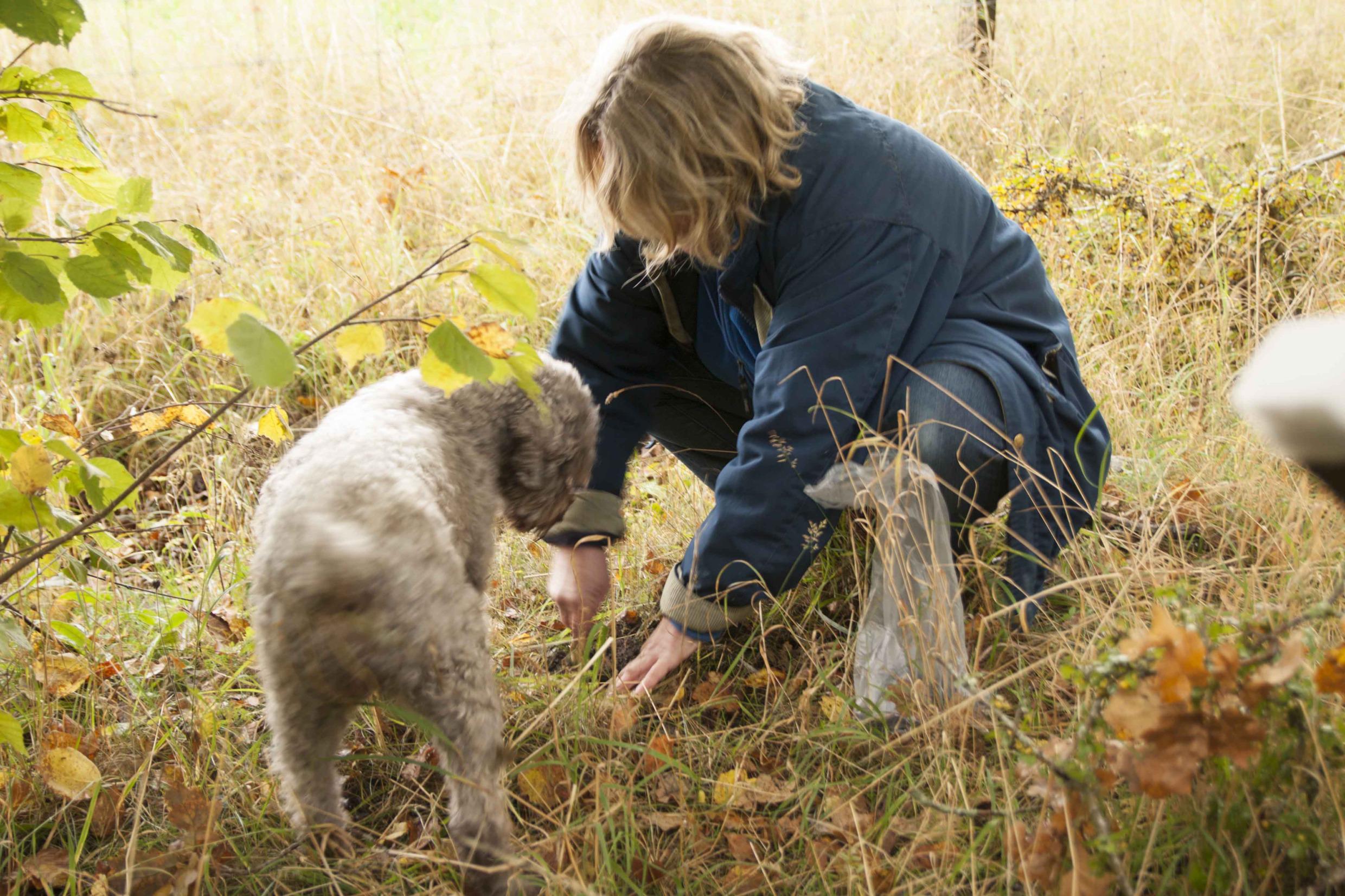
Wild garlic ('ramslök') and asparagus – white, green and purple – thrive on Gotland, as does truffle. The variety found here is unique to the island. Known as the Gotland truffle (black Burgundy truffle), this regional delicacy has its own dedicated festival, held annually in November. During this weekend-long event, visitors can immerse themselves in the world of truffles, with activities ranging from truffle markets and hunts to workshops and expert-led seminars. A wide range of participating restaurants offers the chance to sample truffles prepared in various ways.

Another notable food event is the annual Gotland Taste Festival, taking place in September. Local producers, chefs and food artisans come together for a weekend of tastings at restaurants and farm shops, engaging talks and a vibrant food market – complete with a ‘drink ruin’ in central Visby.

As for drinks, the local 'Gotlandsdricka' – a smoky-sweet, juniper-flavoured traditional ale – has been brewed on the island for centuries. Locally brewed beer is never far away, and Gotlands Bryggeri is a well-established brewery offering a wide range of varieties across the island’s bars and restaurants. You’ll also find several microbreweries, including Barlingbo, Hop Shed Brewery and Snausarve Gårdsbryggeri. Also worth mentioning are the flavoured spirits from Boge Bränneri, as well as the gin produced by Gotland Spirits and Hellström. If you prefer wine, book a guided tour of Långmyre Vineri’s vineyard, where you can also sample some of its frequently sold-out wines.

1 / 4

Lilla Bjers, Gotland

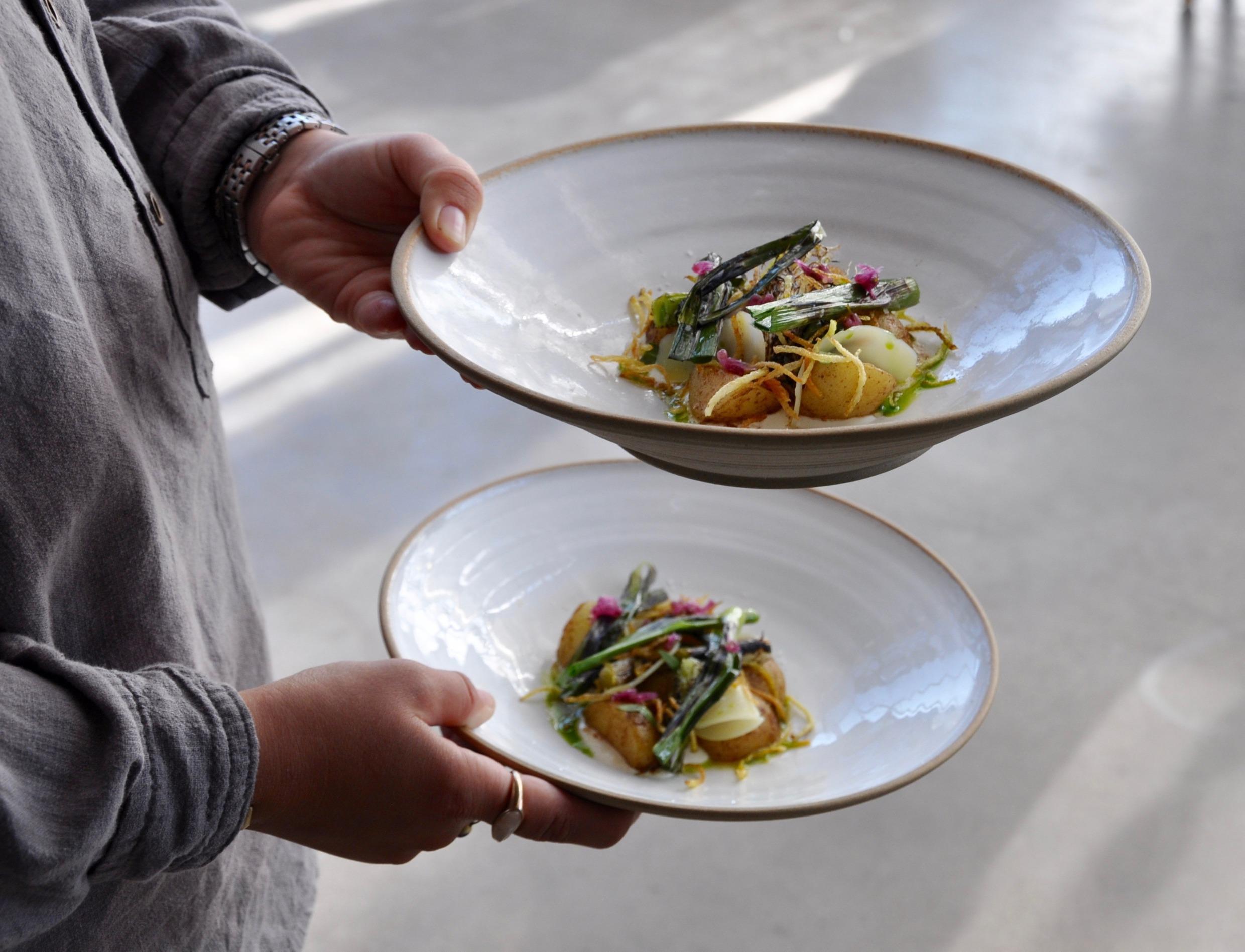
Enjoy locally produced food from sustainable farming at Lilla Bjers on Gotland.

Photo: Lilla Bjers

/ 4
A restaurant set in a greenhouse. Outside the greenhouse is two wooden tables with chairs.

Lilla Bjers, Gotland

Photo: Lilla Bjers

You see part of a person holding two plates with a colorful vegetarian dish at a restaurant.

Food served at Lilla Bjers, Gotland

Photo: Margareta Hoas / Lilla Bjers

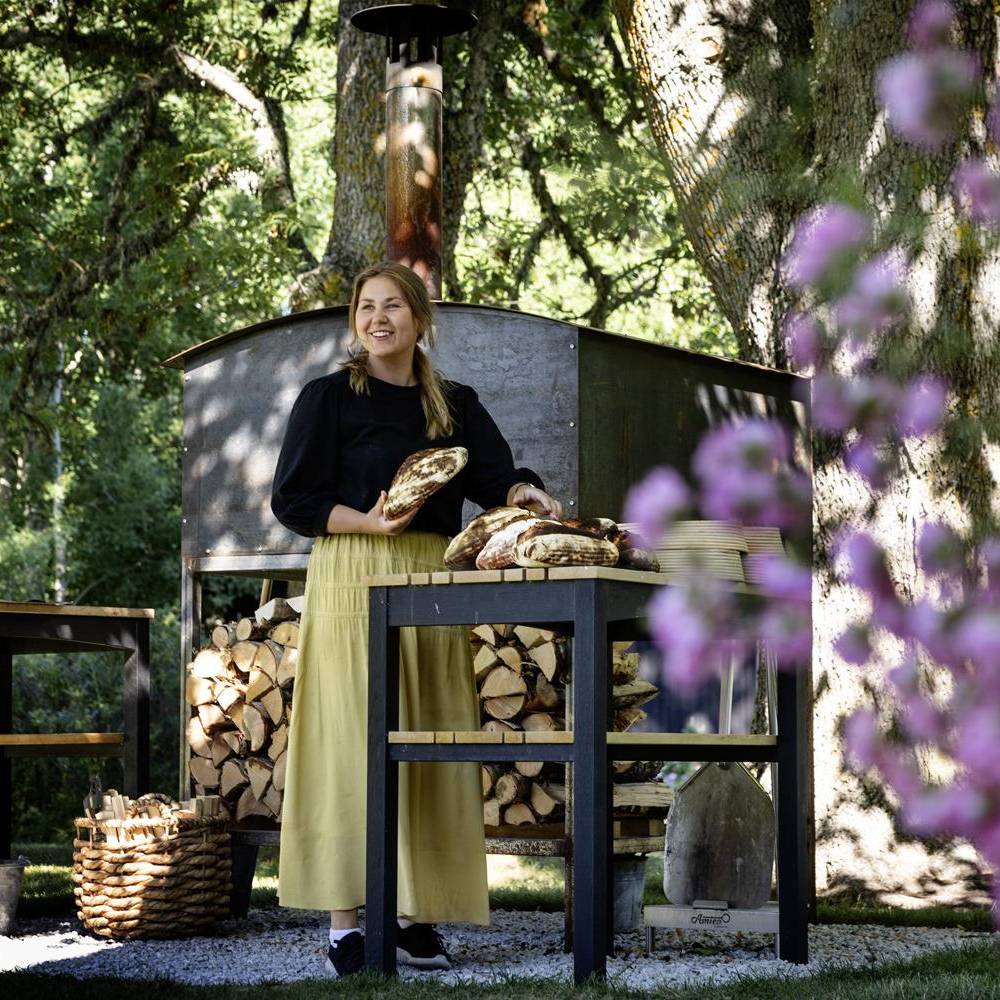
A woman is standing by a wood fired oven, holding bread, in a garden during summer.

Krakas Krog, Gotland

Photo: Beatrice Lundborg/Krakas Krog

A chef is preparing food by a fire. Mushrooms, carrots, salad and bread are by the fire.

Krysmyntagården, Gotland

Photo: Gotlandspecialisten AB

Gotland’s top restaurants

Among Gotland’s many excellent restaurants, make sure to visit Lilla Bjers, located about seven kilometres south of Visby. The restaurant serves vegetables harvested exclusively from its own organic farm, while meat and dairy products are sourced from small-scale producers on the island. The menu reinterprets classic Gotland flavours – such as truffles and saffron – in innovative ways.

Krakas Krog is another notable option, located in Kräklingbo in eastern Gotland. Dishes are prepared using seasonal, locally sourced produce and meat from nearby farmers as well as the restaurant’s own garden. They also serve locally produced wines, and non-alcoholic beverages, including Krakas’ apple must (a flavourful, unfiltered apple juice). This well-regarded restaurant is featured in the prestigious Michelin Guide.

At Katthammarsviks Rökeri on the east coast, you can create your own plate of freshly prepared seafood. This family-owned smokehouse, complete with restaurant and shop, offers freshly caught delicacies year-round.

Krusmyntagården, just north of Visby, is a popular restaurant set in an idyllic location overlooking the sea. Stroll through the herb garden and buy your favourite spices to take home. Nearby, you'll also find Salthamn, which attracts visitors with its wild dining concept and cookery classes.
For food and drink tips in Visby, visit our Visby destination page.

Attempting to summarise Gotland is no easy task – it’s an island best experienced first-hand, with everything it has to offer.

Practical information before your trip to Gotland

1 / 5

Hotel room at Fabriken Furillen, Gotland

Fabriken Furillen is a hotel and restaurant located in a former limestone factory on the island of Gotland, offering an excellent design experience in a dramatic environment.

Photo: Fabriken Furillen Hotel & Restaurant

/ 5
Minimalistically designed hotel room with a limestone factory reflected in a window at Furillen Fabriken, Gotland.

Hotel room at Fabriken Furillen, Gotland

Photo: Fabriken Furillen Hotel & Restaurant

A large tent is set on a beach.

Surflogiet, Gotland

Photo: Surflogiet

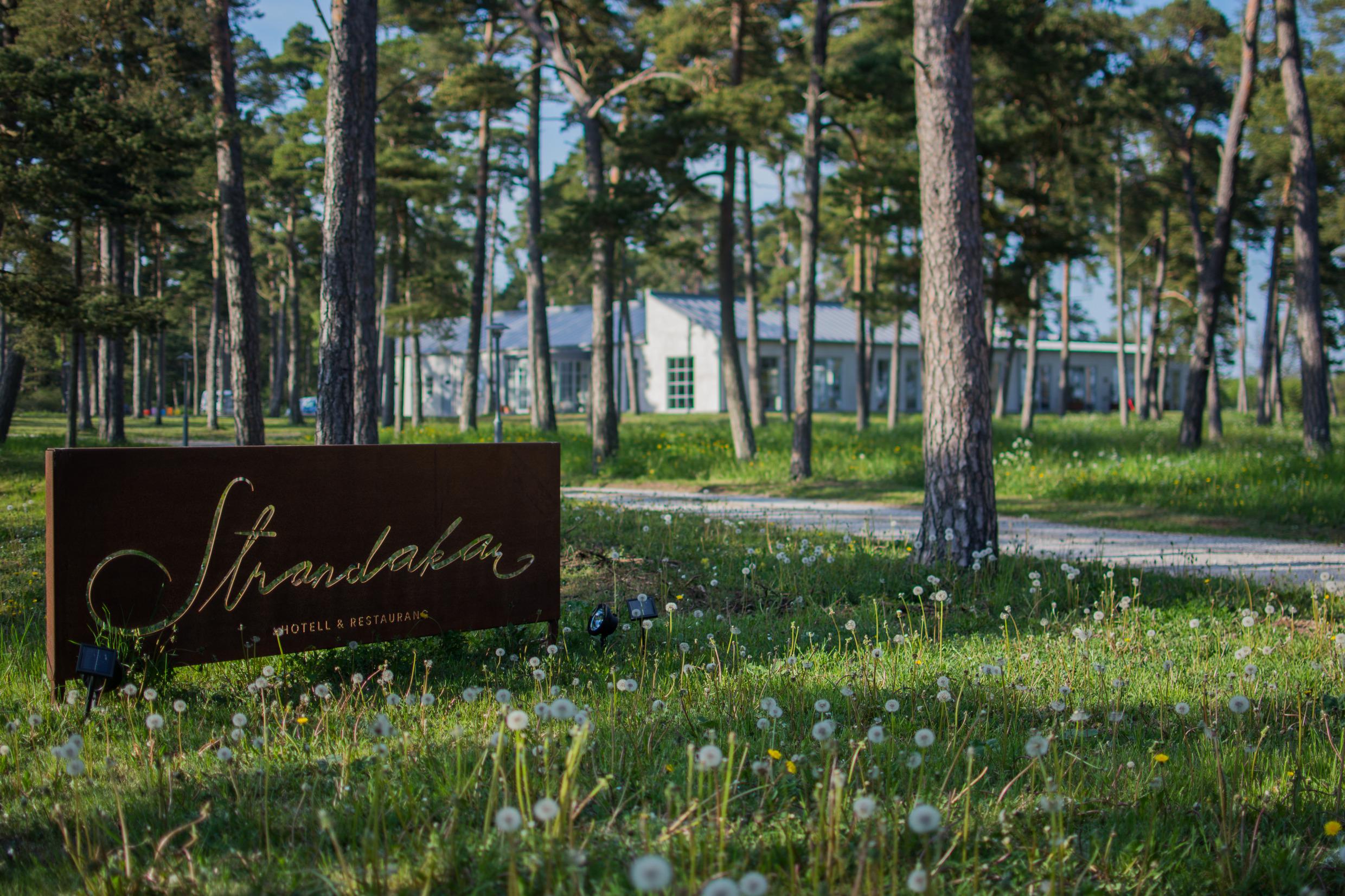
A sign that says Standakar hotel & restaurant is seen among bloomed dandelions and pine trees. A white building in the background behind the trees.
Hotel Strandakar on Gotland

Photo: Anton Blomberg/Blomberg media

A large white house during summer.

Grå Gåsen, Gotland

Photo: Grå Gåsen

A yellow wooden house with pink trims based of the book from Pippi Longstocking.

Kneippbyn Resort, Gotland

Photo: Kneippbyn Resort